How San Marcos CISD Built a Stronger Community Through Accessible Communications
read more


SchoolStatus Launches Literacy Solution to Help Districts Engage Families in Improving Reading Outcomes
Read More >
Key Attendance Trends from the 2025-26 School Year: Insights from 1.1M Students
Read More >Galena Park Independent School District is committed to fostering strong partnerships between schools and families to support every child’s success. To build those partnerships, district leaders recognized that they needed to share more than one-way updates. School-home communication needed to be personal, data-driven, and meaningful.

Organization: Galena Park ISD
District Size: 21,000+ students
Use case: Centralizing student data and strengthening family engagement
Location: Houston, TX
Galena Park Independent School District, located in Houston, Texas, is committed to fostering strong partnerships between schools and families to support every child’s success. To build those partnerships, district leaders recognized that they needed to share more than one-way updates. School-home communication needed to be personal, data-driven, and meaningful.
That’s why they turned to SchoolStatus. With SchoolStatus, they had access to student insights and communication tools in one place, allowing educators to share meaningful updates about student progress.
Galena Park ISD collects a wealth of student data across multiple systems. But before partnering with SchoolStatus, there was no way to see a complete picture of each learner. Educators and leaders were forced to piece together information from various platforms, often missing critical connections between attendance, academics, and behavior.
With SchoolStatus, that’s changed. The district now has everything — from attendance to assessment data — unified in one platform. This single view allows for powerful visualizations and insights that help educators make proactive, data-driven decisions to support every student.
Elizabeth Lalor, Deputy Superintendent for Educational Support & School Administration and a self-described “data nerd,” knows just how crucial that unified view is for student success:
If the right person has the right data at the right time, then a child’s struggles can be a teachable moment rather than a series of lost opportunities.
Elizabeth Lalor, Deputy Superintendent for Educational Support & School Administration
For Lalor and her team, a consolidated data view is just the beginning. Each morning, she receives a SchoolStatus daily data digest — a snapshot that surfaces key trends, such as spikes in absenteeism at specific campuses or concerning assessment patterns. These insights allow district leaders to take swift, informed action before small challenges grow into larger issues.
Thanks to SchoolStatus’s robust data integration, every educator now has a complete understanding of the students in their classrooms through tools like the Student Card, which brings together attendance, academic, and behavioral data into a single, comprehensive profile. Meanwhile, district leaders gain a system-wide perspective that helps them see both the big picture and the individual stories within it.
Galena Park ISD has also woven student data into its transition planning, ensuring that key insights guide how students move between grade levels and campuses. By creating targeted data groupings, the district can identify at-risk students early and design supports that meet their specific needs.
For example, the team has used data to make thoughtful scheduling decisions — such as placing electives earlier in the day for students who are frequently tardy, turning attendance challenges into opportunities for engagement.
Deputy Superintendent Elizabeth Lalor shared how the district uses SchoolStatus’s At-Risk Group capabilities to take a proactive approach:
“My favorite part [of SchoolStatus] is the At-Risk Group. This is how we’re proactive. We get to choose which behaviors to track within our student population, like:
• Students with five or more infractions
• Students whose average daily attendance is below 95%
• Students who failed their last STAAR test
• Students who earned a D or F on their last report card
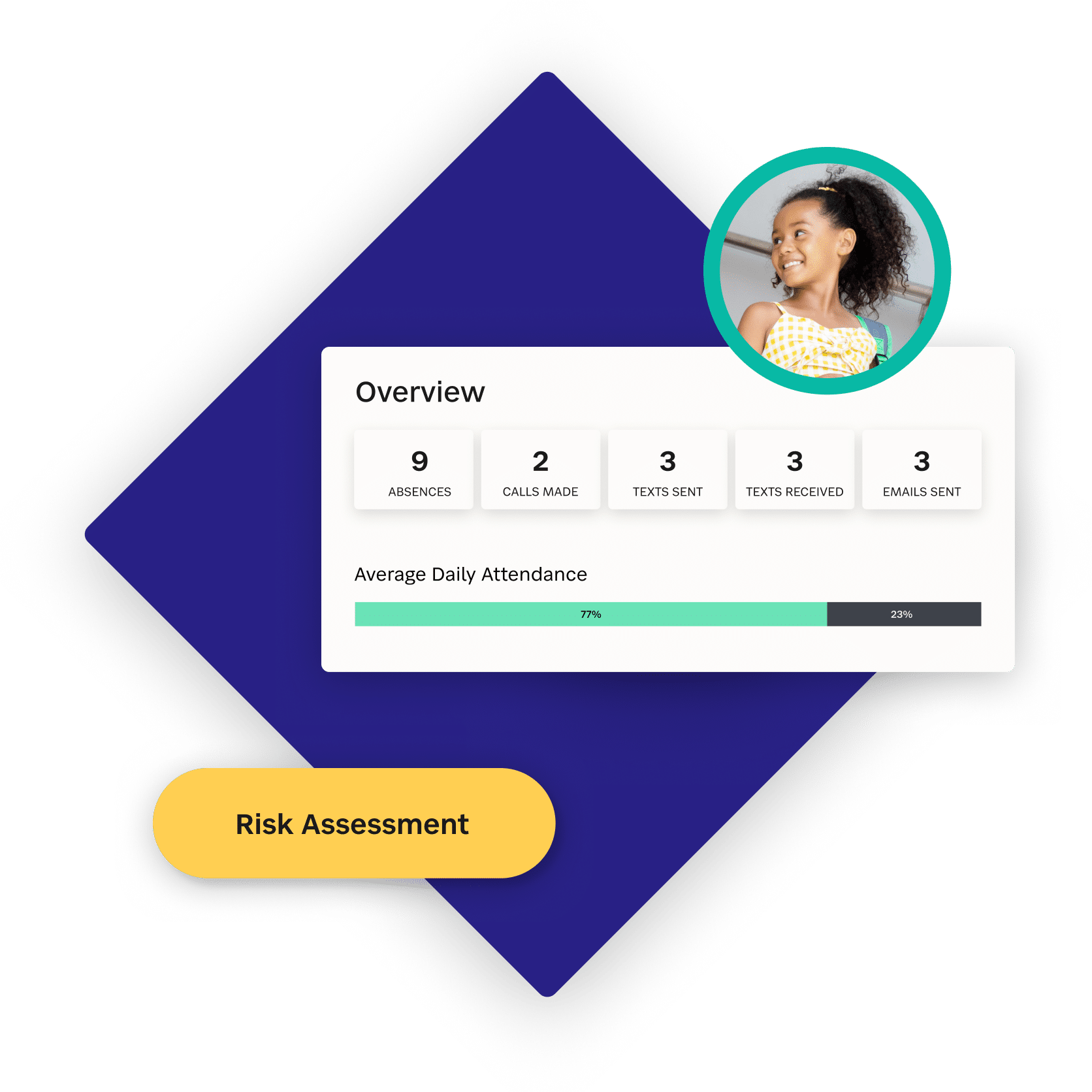
“If any of these apply, we can pull a list of students who meet multiple criteria — those with three or four points — and monitor them closely. Especially during transition years, we can roll this over to the school they’re moving to and say, ‘Here are your students who are most at risk.’
“Then we take action. We make sure these students are paired with experienced educators who can best support them. If they have poor attendance, we make sure their first class isn’t reading or math — we schedule an elective to motivate them to show up. This is how we use data to take action for our kids.”
The data educators find in SchoolStatus helps inform everything from scheduling to remediation, ensuring actions are never taken without information behind them.
Lalor initially brought SchoolStatus to Galena Park ISD to unify the district’s view of student data, and it accomplished exactly that. But along the way, the district discovered another powerful use: strengthening communication between schools and families.
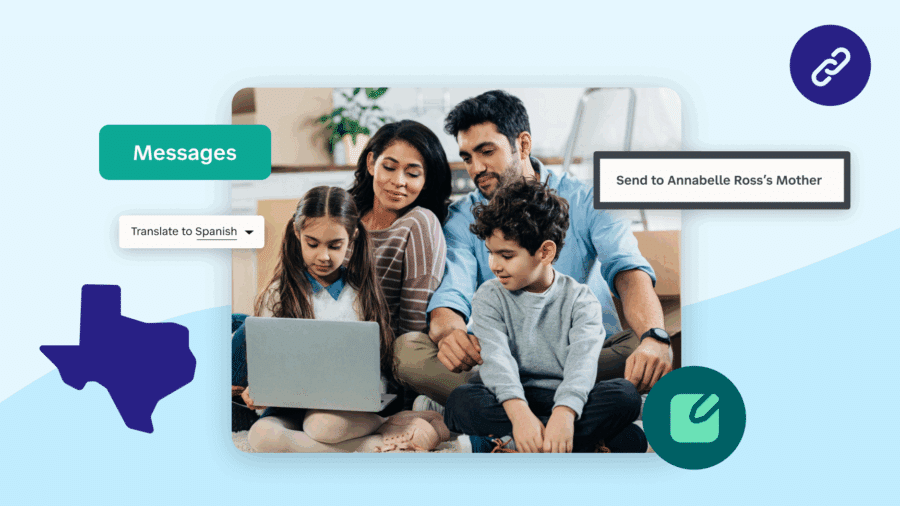
“We’re 79.9% Hispanic, one-third English language learners, so it will translate into multiple languages. Once families know this is how they can get in touch with an educator, they’re texting back — and it’s all documented,” said Lalor.
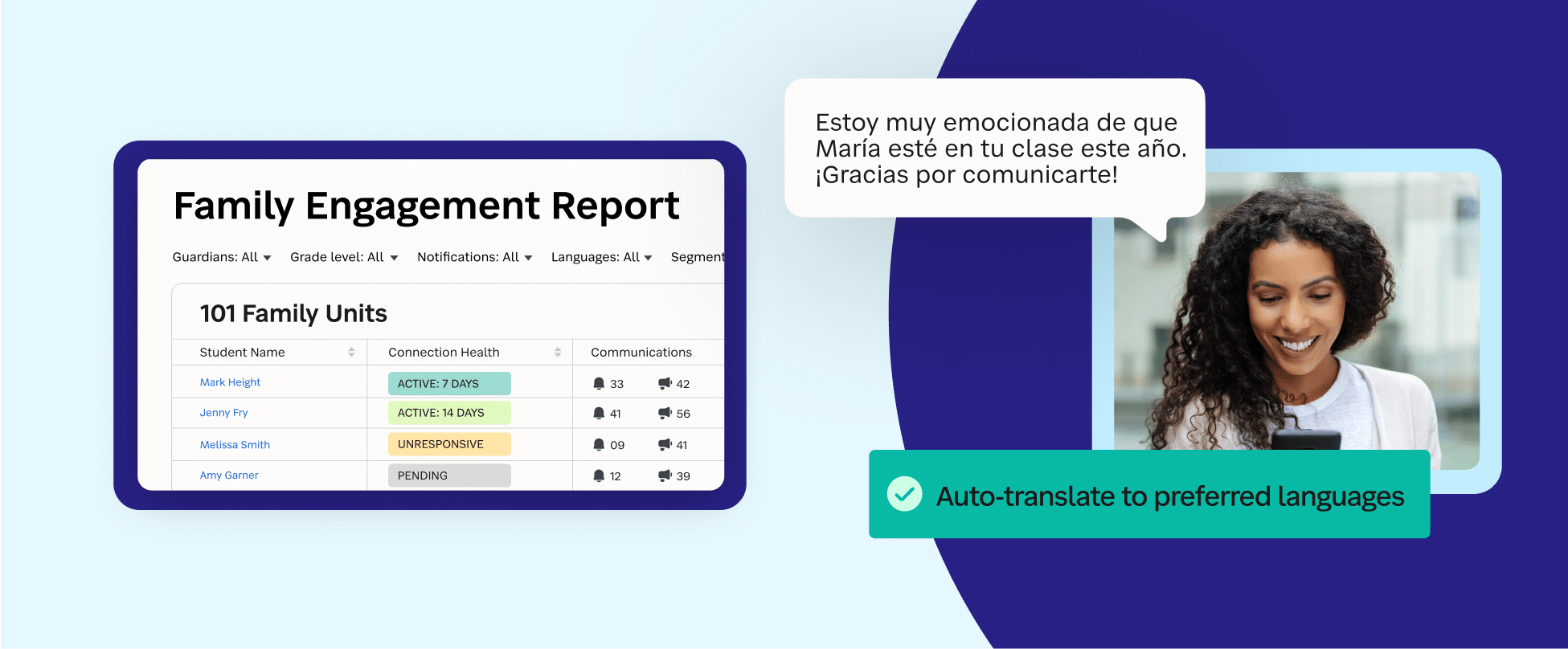
Before SchoolStatus, communication across Galena Park was fragmented. Educators relied on whatever tools were available — email, phone calls, or personal texts — with no central record of outreach, no guarantee of consistency, and no assurance that every family was receiving the information they needed. Too often, language barriers left families feeling excluded from their child’s education.
Now, with built-in translation and engagement logging, those challenges have disappeared. Teachers can communicate with families in their home language — all from one secure platform — without using personal phone numbers. And administrators gain visibility into outreach efforts, making it easy to recognize strong family engagement and support teachers who need an extra hand.
By integrating communication into the same platform that houses student data, Galena Park has made it easier to communicate with families and increased the likelihood that families are getting information about student progress.
Lalor continues:
Having a student’s data and family communication on a single screen means that we’re seeing issues sooner, and then can address those issues immediately.
Elizabeth Lalor, Deputy Superintendent for Educational Support & School Administration
Galena Park ISD set the bar high as the first district in Texas to use SchoolStatus to integrate state student data sources. In doing so, they’ve gained a complete, unified view of every learner — and of the district as a whole.
But their impact goes beyond data. By combining powerful insights with proactive communication, Galena Park has built a stronger partnership between schools and families.

Ready to learn more about our suite of solutions?