Build an Effective K-12 Crisis Comms Plan
read more


SchoolStatus Launches Literacy Solution to Help Districts Engage Families in Improving Reading Outcomes
Read More >
Key Attendance Trends from the 2025-26 School Year: Insights from 1.1M Students
Read More >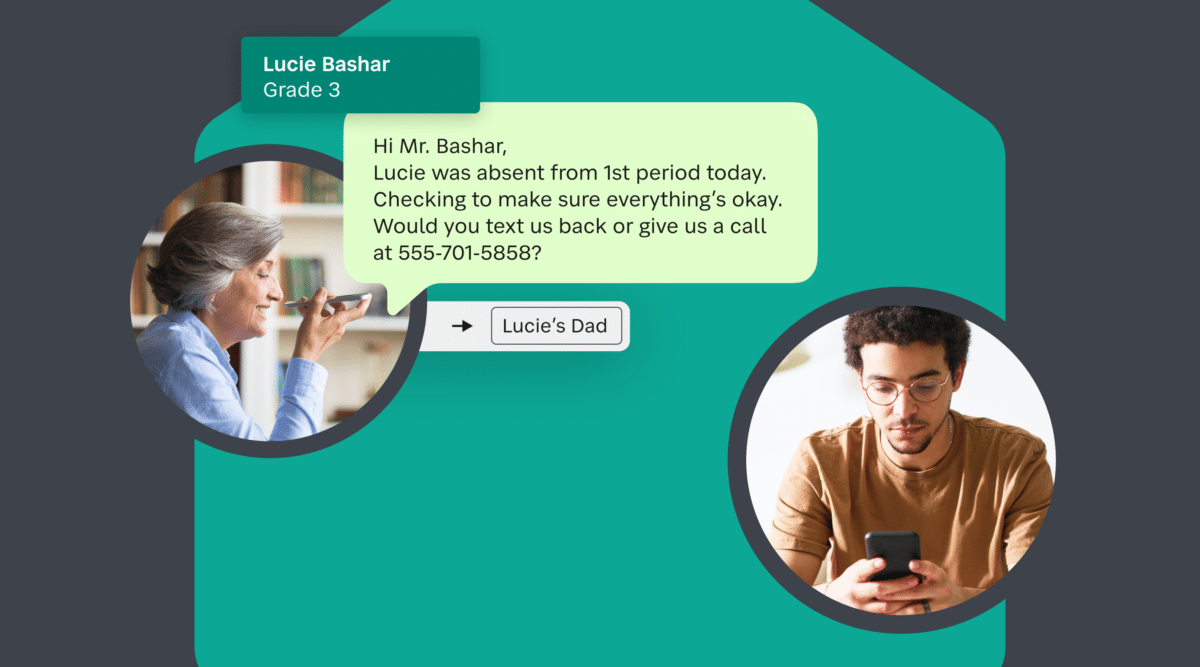

Why K-12 Community Engagement Is Essential Right Now
When it comes to student success, strong academics are only part of the equation. The partnerships schools build with families and the broader community play an equally critical role. But communication alone isn’t enough. It needs to be intentional, inclusive, and two-way.
So how can district leaders create a system where communication drives engagement and builds trust?
Our new eBook, The Connected District: Building Meaningful K-12 Community Engagement, offers a practical framework. Inside, you’ll find strategies to help your team improve school-to-home communication, foster relationships that support learning, and scale your outreach across the entire district.
Most districts already have tools in place to send messages and share updates. But too often, those efforts don’t result in real connection. Families might receive the message but still feel left out of the conversation.
Common challenges include:
These gaps can have lasting consequences, including reduced parent involvement, missed interventions, and lower student attendance. A truly engaged district makes it easy for families to stay informed, feel heard, and act with confidence.
A connected district is one where families, educators, and leaders are aligned through consistent, meaningful communication. Everyone has the information they need, when they need it. And every message serves a clear purpose.
In The Connected District, you’ll learn how to:
If your district wants to build trust and improve outcomes, this guide is the place to start.
➡️ Download the free eBook now
The eBook shares many proven practices, but here are five strategies your team can start using today.
In connected districts, communication is more than a task. It’s part of the strategic plan. From the central office to campus leaders, everyone understands the role communication plays in improving student outcomes. This mindset drives better coordination, better tools, and better results.
Families have different preferences and access points. To keep everyone informed, districts need to use a variety of channels—text, email, voice, app notifications, and even print when needed. The key is consistency across platforms so no one misses critical updates.
Effective communication is inclusive. That means offering automatic translation tools, hiring bilingual liaisons, and providing interpretation support for meetings and conferences. When families understand the message, they can take action.
Families don’t just want to receive updates. They want to ask questions, share concerns, and be part of the solution. Two-way messaging makes it possible to hold real conversations, build relationships, and respond to needs in real time.
Your communication data holds the answers to what’s working and what’s not. From open rates to read receipts to response times, having insight into engagement helps your team adjust messaging and focus resources where they matter most.
K-12 districts vary in size, structure, and geography. That’s why local context matters. In The Connected District, we break down how to apply engagement strategies in different settings.
Here are a few examples:
No matter your location or size, the SchoolStatus suite of solutions help you tailor your outreach and track impact across your entire system.
One district featured in the eBook struggled with chronic absenteeism and low family engagement. After implementing SchoolStatus Connect, they made communication more consistent and more accessible to every family.
Here’s what changed:
As a district leader shared:
“We went from one-way updates to real conversations. That helped us build trust, and it showed in our attendance and engagement numbers.”
This story isn’t unique. It’s what happens when communication is clear, accessible, and aligned with district goals.
Today’s families expect more from their school communication—and they should. They want transparency, timeliness, and a relationship with the school community.
When districts deliver on those expectations, they gain:
Districts that prioritize meaningful engagement are better positioned to navigate change, respond to student needs, and build lasting trust with their communities.
It’s time to move from updates to impact.
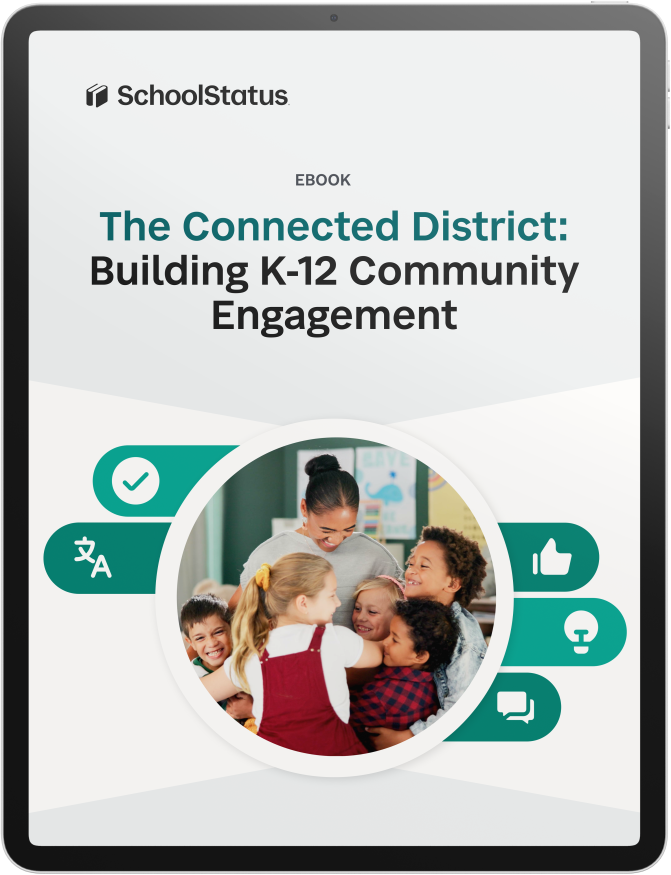
and get a practical roadmap for strengthening your district’s approach to communication and engagement.
DownloadThis guide is ideal for:
Inside, you’ll find real examples, proven strategies, and next steps your team can act on immediately.
 SchoolStatusSchoolStatus connects educators and families around the topics that matter most. The company partners with K–12 districts to improve attendance, engage families, and build trust so students can succeed. A recognized leader in data-driven attendance and family engagement solutions, SchoolStatus enables districts and educators to engage families with relevant, timely communications and proactive support on important topics including absenteeism, literacy progress, and overall student readiness. Today, SchoolStatus supports districts in all 50 states and serves more than 22 million students nationwide as a trusted partner in driving better student outcomes.

News, articles, and tips for meeting your district’s goals—delivered to your inbox.

Ready to learn more about our suite of solutions?