5 Excel Functions Every Educator Needs to Know
read more


SchoolStatus Launches Literacy Solution to Help Districts Engage Families in Improving Reading Outcomes
Read More >
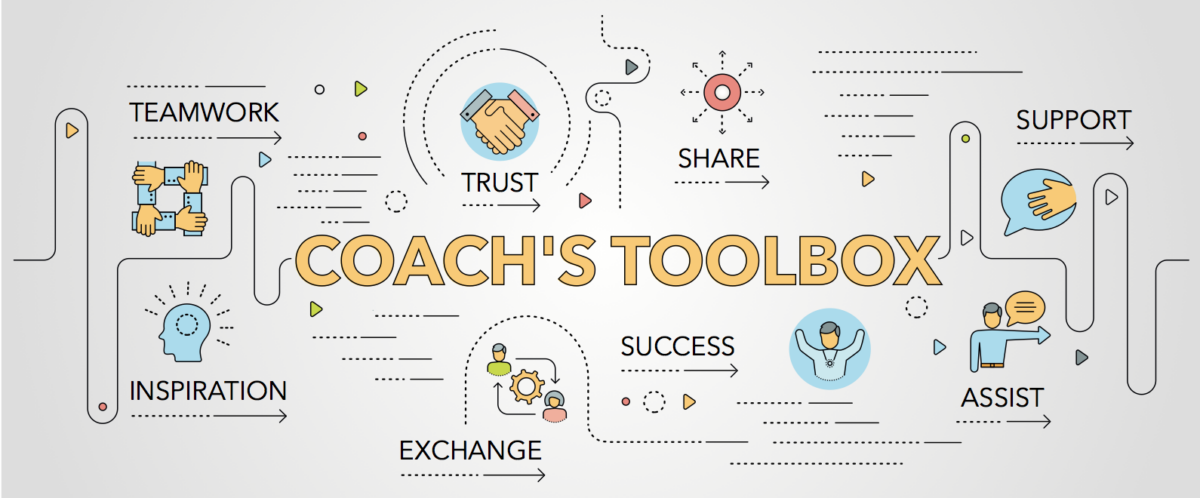


Dr. Alison Newby reveals five potential roadblocks when coaching experienced teachers and how coaches can try to overcome them.
D
o your confidence levels plummet when you’re faced with coaching a truly awe-inspiring “advanced” teacher? Does it make you begin to question what added value you as an instructional coach can bring? Uncomfortable as it may feel, working with senior, expert, veteran, or more knowledgeable teachers is a great starting point for assessing and reassessing why we’re doing what we’re doing. When we’ve thought it through, we might be equipped to approach coaching advanced teachers in a more constructive, creative way.
Have you ever been asked “why be a coach in the first place?” For many, it’s the buzz of helping people become their best selves—whether in their personal lives or their professions. It’s the satisfaction of being able to focus completely on our coachees. This is done through facilitating their process of self-discovery and self-development, using the key coaching skills of non-judgmental listening, questioning, reflecting back accurately what we observe, and challenging hidden barriers and assumptions that may be hindering an individual’s progress.
In general, coaches don’t need to be experts in the area of work their coachees specialize in. The magic ingredient a skillful coach brings is expertise in facilitating in others the process of increasing self-awareness and self-responsibility, leading to the ability to vision and then undertake change.
Instructional coaches may have the same underlying aims, but their function in an educational context is of course different. One reason why individuals become instructional coaches is precisely because of their expertise as teachers. Normally that expertise is established before they learn the core coaching skills mentioned above and facilite development in others that’ll ensure the best outcomes for students, schools, and districts.
Put that way, being a coach sounds fairly simple. Great teachers become great coaches. Unfortunately, we all know it’s not that straightforward. Instructional coaches face challenging areas of complexity, and they need a clear understanding of what exactly they should be bringing to the table to enable them to tackle those challenges head on.
Coaching advanced teachers is certainly a challenge that can cause significant anxiety. How on earth can we approach veteran teachers who may have vastly more experience and insight into their roles than we have ourselves? What’s the point of us even saying hello? And if many of them are giving the instructional coaching offering a miss or harboring cynical thoughts about it, how can we say they’re wrong?
To start, we need to remember that instructional coaching is fundamentally just coaching with an added twist. If we go right back to the coaching basics laid out above, we’ll realize that the unique angle we bring is the facilitation of thought, discovery, and growth for our coachees. If we have and can deploy skillfully the required coaching skills, we’re playing our part by helping our advanced colleagues to stretch their already wide horizons even further.
Sometimes resistance to instructional coaching is based on widespread myths about what coaching is and isn’t. Coaches always work within contexts, and it may be that a particular school or district doesn’t have an accurate understanding of, or clear policy on, what an instructional coaching program should be designed to offer. The teaching staff and principal may believe it is designed purely to address incompetence and to train individuals who are inadequate in their jobs, but we know there’s more to the role. If that’s the case, it’s no wonder many people wouldn’t want to go near it.
Before we jump into coaching, we need to get a picture of what the staff and principal think instructional coaching is. Without clearing away misapprehensions and myths, we’d be walking into an environment that’s not at all favorable to achieving any teacher engagement at all—let alone that of veterans. Also, we should take time to patiently establish our own reputation in that environment as people whose purpose is to expand the creativity, vision, and collaborative potential of the educators we find there, rather than signal who has or has not “failed.”
We need to know what instructional coaching really has to offer, and to make sure this understanding is made clear to and accepted by those within the schools who are requesting us to make an instructional coaching intervention. They are responsible for sponsoring the offering, and the message being spread amongst staff needs to be based on what instructional coaching is, not myths that bear no resemblance to reality.
Clearly an instructional coach can add value to the performance of the most experienced veteran teachers if the coach is skillful in deploying key coaching abilities. Whenever we meet barriers that get in the way we need to keep hold of this fact. Some of the most entrenched barriers hindering effective coaching efforts are those relating to deep-rooted attitudes.
Below are five scenarios and suggestions to working with resistant advanced teachers:
This common misunderstanding is the root of much resistance to coaching. While coaches do work with less experienced teachers to broaden their skill sets, that doesn’t mean coaching is for “failures!” Yes, coaching can promote growth for less-experienced individuals, but another significant function is to help advance “already great” to the next level and beyond.
Remember: in the business world, leaders and CEOs rely heavily on transformational executive coaching to provide an impetus that catalyzes deeper access to their own “wisdom” as well as new perspectives. That’s the aspect of coaching we’re considering when working with veteran teachers. A respectful conversation at the beginning of the coaching relationship exploring this point—or even making this same comparison to business leaders—can ensure the significance and potential benefits of instructional coaching are understood and valued.
This may sound like a fair comment until we remember that as instructional coaches, our aim most likely is not “teaching” in this instance. A veteran could well “know” far more than us, but as coaches we’re there to help raise awareness of areas where fresh thinking or new perspectives could add value. All of us—including veteran teachers—can fall into a comfort zone of tried and tested “solutions” which become barriers to growth and development. By asking subtle questions and making reliable trusted observations, instructional coaches can help reveal such patterns and help veterans move beyond them. Moreover, in the sports world, most athletes may play the game better than any coach they’ve had, but this has never invalidated the obvious and important role that coaches play there!
A variation on the previous points, this needs to be countered by showing that instructional coaches aren’t there to question a veteran teacher’s record or abilities. Rather, it’s about taking the individual on a journey towards increased self-awareness by identifying areas that could benefit from fresh perspectives. Furthermore, it’s about growing perceptions and enthusiasm, collaborating in making plans for the future, and ensuring maximum effectiveness and satisfaction in the role whilst delivering the greatest potential for success to the students.
Here we’re taking a look at ourselves. It’s tempting to be painfully aware that an advanced teacher has awesome teaching skills, so much so that we wonder why we’re even there. The problem with this mindset is that it can lead to ineffectiveness and the tendency to defer to the veteran teacher. We focus on our own feeling of inadequacy rather than the subtle signals we should be picking up from what we’re seeing, hearing, and sensing about how our coachees are going about their work. The key here is the conviction that it’s our ability to open up possibility, fresh perspectives, and insight through our coaching expertise.
If for whatever reason a teacher is feeling threatened, it’s difficult for rapport to develop between coach and coachee. The relationship can become more about friction and sparring than collaboration. To avoid this we need to prepare the ground for productive interaction well before coaching relationships begin. It’s essential that the information about instructional coaching circulating the school is accurate so teachers can form initial opinions based on reality rather than myth. One way to do this is to explore carefully with them possibilities and frameworks that fit with their needs and goals. If coachees can see that the coach is their ally in moving forward, it’s more than likely the relationship will develop smoothly. However, always trust your gut feeling.
Sometimes relationships just don’t gel, and if you feel the necessary rapport is just not building in the way it needs to despite your best efforts, it’s probably time to be brave enough to suggest that the individual tries another coach, if possible. If the relationship can be brought on track, ensure all interaction is respectful and be clear on exploring in collaboration with the coachee what can be achieved. When veteran teachers are treated with respect and acknowledged for their skill and experience, the likelihood that they will feel threatened reduces substantially.
The prospect of coaching advanced teachers can seem daunting, but it doesn’t need to be. Remember, it’s through our coaching skills that we add value because we’re there to expand horizons and self-awareness. Even the best of advanced teachers will appreciate that!
Alison is an Honorary Research Associate at the University of Manchester’s Ahmed Iqbal Ullah Race Relations Resource Centre in the UK, where she produces history-based materials for both public and academic engagement. She is also an Institute of Leadership Management qualified coach specializing in coaching staff and researchers at all levels, who enjoys feeding her coaching approach into facilitating workshops on study and research skills for students.
Alison earned her Ph.D. from the University of Manchester in American social and political history. She writes on coaching issues regularly, including producing her own blog.
Follow Alison on Twitter @NewbyCoachLive!
{{cta(‘352a410e-db79-4f33-a482-d301e8041965′,’justifycenter’)}}
 SchoolStatusSchoolStatus connects educators and families around the topics that matter most. The company partners with K–12 districts to improve attendance, engage families, and build trust so students can succeed. A recognized leader in data-driven attendance and family engagement solutions, SchoolStatus enables districts and educators to engage families with relevant, timely communications and proactive support on important topics including absenteeism, literacy progress, and overall student readiness. Today, SchoolStatus supports districts in all 50 states and serves more than 22 million students nationwide as a trusted partner in driving better student outcomes.

News, articles, and tips for meeting your district’s goals—delivered to your inbox.