The Secret to Building an Effective Family Survey
read more


SchoolStatus Launches Literacy Solution to Help Districts Engage Families in Improving Reading Outcomes
Read More >
Key Attendance Trends from the 2025-26 School Year: Insights from 1.1M Students
Read More >

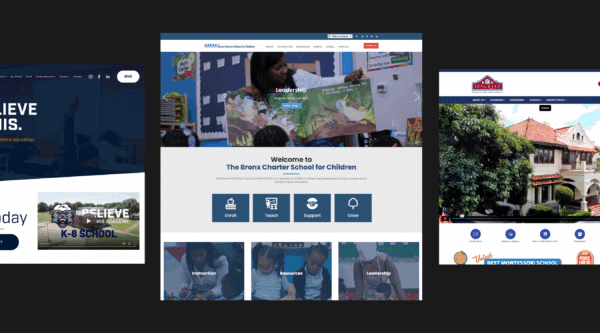
In the digital age, a school district’s website serves as its virtual front door. While many factors contribute to an effective website – from fresh content and intuitive navigation to mobile responsiveness and ADA compliance—the foundation of a truly successful site lies in understanding your users’ needs and expectations.
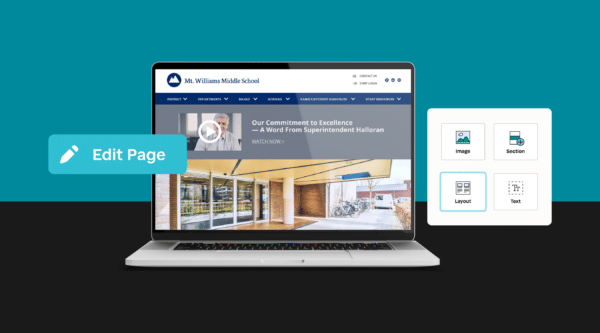
Before embarking on your next website redesign, resist the temptation to simply apply a new visual layer to existing content. Instead, seize this opportunity to gather valuable insights from your community through a comprehensive school website user and stakeholder survey.
While certain elements are essential for every school website, user feedback can provide crucial guidance for your design and content strategy. This article, along with our downloadable Website User and Stakeholder Survey Guide, aims to highlight key considerations as you prepare to revamp your school’s online presence.
By exploring how, when, where, and why visitors interact with your website, you can uncover valuable insights to inform your redesign process. This user-centric approach will help ensure that your new website not only looks great but also effectively serves the diverse needs of your school community.
Let’s dive into some key takeaways to consider before you begin your school’s next website project:
While families are obvious key stakeholders in your school website, there are other key user groups that need to be included in your survey. Staff—both faculty and non-faculty—students, extracurricular groups, athletics, board of education, and key community partners should all be included in your survey sample.
Your survey should be distributed to your target audiences and the users themselves who will be managing the content. Survey as many as possible to get the broadest and largest sample. In addition to conducting this survey, consider other forums, such as focus groups and informal meetings to gain insights and buy-in.
The first step in any communication challenge is determining your target audience. Equally crucial is gaining a deep understanding of that audience. Consulting appropriate sources can greatly aid this process.
Be sure to include all of the following groups:
Once you’ve determined who you’re surveying, now comes what to ask.
You may be doing an excellent job of informing your users; you may need to work on it. Gain this understanding to know where you stand and then measure the improvements you make going forward.
NOTE: Some questions and answer choices may need to be modified based on your current website, your school’s unique circumstances, and other factors.
By asking the right questions, you’ll learn too what kinds of topics your users want to hear about more. Your administration may very well have certain strategic messaging and content that needs to be served up, but you also must take into account the kinds of content—curriculum, assessments, counseling, technology, family resources, etc.—your users want and need.
Once you know who you’re asking and what you’re asking, now comes data. You need to distribute, collect, and analyze your survey results.
Links should be emailed directly to your survey participants. Set a deadline for submitting the completed survey, and use the built-in tabulating tools to organize and analyze your results. Once your results are in, put together a summary document to share with all who participated—your website planning team and all who responded.
By now I hope you understand the importance of really getting to know the scope and breadth of your user groups and role they play in designing a more effective school website. Getting to know and understand your user groups will infinitely help you not only build that next great website, but maintain it going forward. Your surveys, after all, are not one-time shots but an ongoing process that you’ll want to revisit in years to come.
So jump in, identify your key groups and start building your lists of survey participants. After your survey is distributed and collected, analyze and share the results with your planning team and the respondents themselves.
 SchoolStatusSchoolStatus connects educators and families around the topics that matter most. The company partners with K–12 districts to improve attendance, engage families, and build trust so students can succeed. A recognized leader in data-driven attendance and family engagement solutions, SchoolStatus enables districts and educators to engage families with relevant, timely communications and proactive support on important topics including absenteeism, literacy progress, and overall student readiness. Today, SchoolStatus supports districts in all 50 states and serves more than 22 million students nationwide as a trusted partner in driving better student outcomes.

News, articles, and tips for meeting your district’s goals—delivered to your inbox.

Ready to learn more about our suite of solutions?