Real Data-Driven Attendance Strategies for District Leaders
read more


New Book Gives District Leaders a Practical Framework for Improving Chronic Absenteeism—and a Comprehensive Look at State-Level Attendance Policies
Read More >
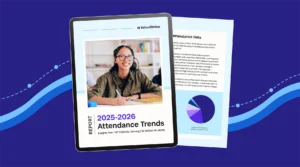
Key Attendance Trends from the 2025-26 School Year: Insights from 1.1M Students
Read More >

Now that SB 691 has been in effect for a semester, many California districts are using this time to implement best practices and assess the impact of their updated truancy communication. The strongest results come from districts that connect outreach with real-time data, reach families in multiple formats, and view the first contact as the start of an ongoing effort.
Districts across California revised their first truancy notices to reflect a more supportive tone. The goal was clear: make that first message to families more accessible and collaborative.
Now, halfway through the school year, district leaders are asking what comes next and what best practices they can put in place.
In SchoolStatus districts, family outreach is showing strong early results. In the first half of this school year, nearly half of families who received an initial attendance intervention responded by improving attendance. These results held across grade levels and student groups.
The content of the message matters. So does the timing. And so does how families receive it.
1. Multichannel outreach strengthens engagement.
Districts that combined letters with text messages, phone calls, or emails saw stronger family response. Families were more likely to engage when messages reached them in familiar ways and in their home language.
2. Personalized messaging leads to better outcomes.
When letters reference real attendance patterns or include relevant support options, families are more likely to respond. These small details help build trust and clarity.
3. Early outreach improves results.
Outreach sent in the first weeks of school had significantly higher response rates than outreach sent later in the semester. Timeliness makes a difference.
📌Insight: A supportive tone is a strong first step. When combined with actionable data and multiple points of contact, it becomes a strategy that drives attendance gains.
Districts are now using the second half of the year to refine their process and implement best practices.
Chronic absenteeism decreased by 15.1% from 2023–24 to 2024–25 in SchoolStatus partner districts. These outcomes reflect a systematic approach to attendance: one that is timely, inclusive, and informed by data.
This is a good moment to review message timing, language, and delivery methods. Consider whether outreach was received, understood, and followed up on.
The state template meets the legal requirement. Many districts are expanding on it to make messaging more personal, multilingual, and actionable.
The most effective systems combine attendance data, communication tools, and staff workflows in one place. This allows teams to act quickly and consistently.
Sustained engagement. The first notice sets the tone, but follow-up is what changes patterns. Districts are using spring to continue contact and track results.
 Dr. Kara Stern
Director, Education and Engagement
Dr. Kara Stern has seen school from just about every angle: high school English teacher, middle school principal, fellowship director for math and science teachers across New York City, and head of school at a rural N-12 school. That breadth is what she brings to her work at SchoolStatus, where she writes, speaks, and challenges educators to build the kinds of school communities where every student thrives. She holds a Master’s in Education Leadership from Teachers College and a Ph.D. in Teaching and Learning from NYU.
News, articles, and tips for meeting your district’s goals—delivered to your inbox.














Ready to learn more about our suite of solutions?