How to Create a Great YouTube Channel for Your School
read more


SchoolStatus Launches Literacy Solution to Help Districts Engage Families in Improving Reading Outcomes
Read More >
Key Attendance Trends from the 2025-26 School Year: Insights from 1.1M Students
Read More >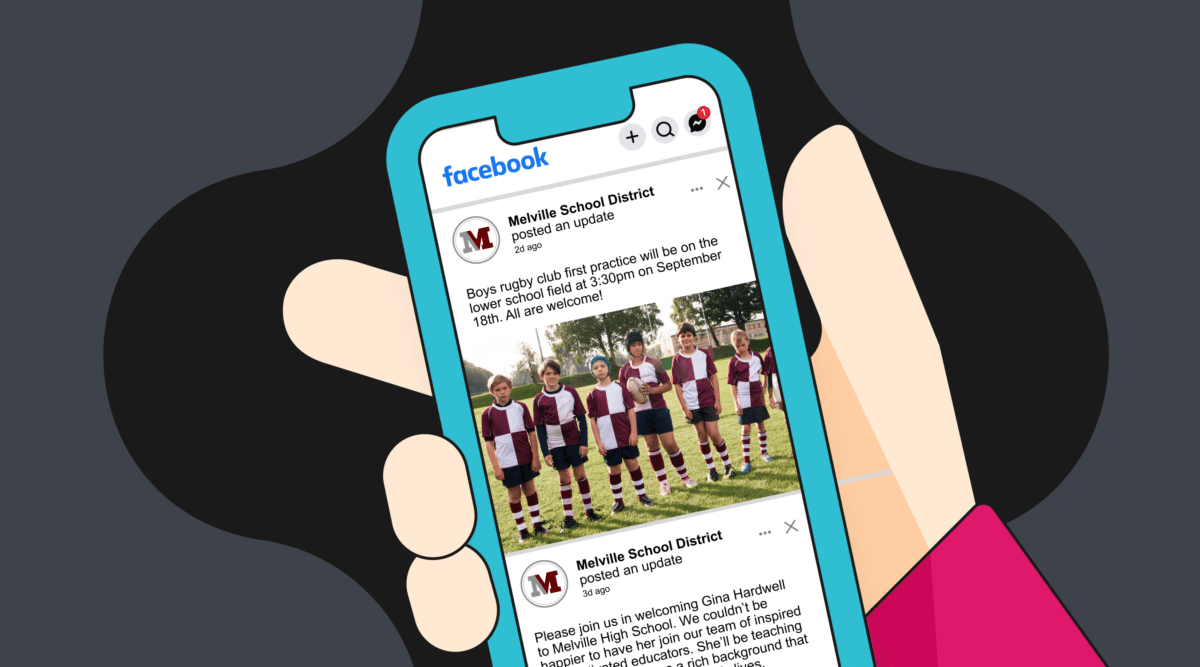

You’ve set up your school’s social media profiles—Facebook, Twitter (now X), Instagram, and maybe even LinkedIn—but now what? With so many channels, it’s easy to feel overwhelmed by what to post, where to post it, and how to engage your audience effectively. Should you share news stories, event updates, or school closings? What about photos from last night’s volleyball game?
The key to maximizing your school’s social media presence is understanding the strengths and limitations of each platform. By tailoring your content to fit the unique nature of each social media channel, you’ll improve engagement with parents, students, and the broader school community.
Facebook remains a dominant platform, especially among users aged 35 to 50, which makes it an essential tool for reaching parents and community members. However, its complicated algorithm, Edgerank, determines which posts are shown in users’ feeds. This means that not all of your posts will reach every follower, and real-time, critical updates may get lost in the shuffle.
Here’s how your school can make the most of Facebook:
While you can’t depend on Facebook for time-sensitive updates, it’s a great platform for building a sense of community. Consider using Facebook Boosts to ensure that important posts reach a larger audience. Boosts are relatively inexpensive and allow you to target specific demographics, such as parents of students at your school.
For more tips on using social media effectively, check out the SchoolStatus blog.
Twitter (now rebranded as X) is fast, versatile, and widely used by students, media, and younger families. It’s ideal for real-time updates, news announcements, and instant communication. Tweets appear in chronological order, making it easier for followers to stay updated on the latest happenings.
Here’s how your school can use Twitter effectively:
To make Twitter work for your school, aim for frequent, timely posts. You can also create X Lists to organize followers, such as alumni, faculty, community leaders, or local media. This makes it easier to track and engage with specific groups.
For more insights on how social media can enhance school communication, check out this guide.
Instagram is the fastest-growing social media platform, particularly popular with younger audiences. It’s perfect for sharing your school’s story through images and short videos. With its simple, mobile-only design, Instagram allows schools to personalize their online presence and connect with the community in authentic ways.
How your school can use Instagram:
Instagram’s hashtag feature also helps to organize your posts around specific themes or events, making it easier for users to find relevant content. Start using hashtags like #schoolpride or #yourcommunityname to enhance engagement.
Pinterest may not be as widely used by schools yet, but it offers a unique platform to organize and share visual content. Think of Pinterest as a digital bulletin board where you can group images into collections, or “boards,” that are relevant to different aspects of school life.
Ideas for Pinterest boards:
Pinterest can be a powerful tool to showcase your school’s accomplishments, but like all social platforms, it requires consistent engagement. Share, like, and follow other Pinterest users to build your school’s following.
LinkedIn is traditionally viewed as a professional networking site, but schools can benefit from using it to connect with alumni, teachers, and prospective staff. Many universities already use LinkedIn to help graduates find jobs, and K-12 schools can use it to foster professional development and networking opportunities.
How your school can use LinkedIn:
LinkedIn is also a valuable resource for students preparing for the workforce. Schools can create groups or pages that offer networking opportunities, resume tips, and insights into different careers.
To make the most of social media, your school needs a well-rounded strategy that leverages the strengths of each platform. Here’s a quick overview:
The world of social media offers schools incredible opportunities to connect, engage, and grow their communities. However, it’s crucial to understand the specific benefits and limitations of each platform. A one-size-fits-all approach won’t work—customizing your content to fit each channel will maximize its impact.
While Facebook and Instagram build community through visuals and stories, Twitter serves as a real-time newsfeed for updates and alerts. Meanwhile, Pinterest and LinkedIn cater to more niche audiences—visual learners and professionals.
To stay ahead of the curve and deepen your school’s digital engagement, check out the latest insights and tools from SchoolStatus, designed to simplify and enhance school communications.
With the right strategy, social media can become a powerful tool in your school’s communication arsenal.
 SchoolStatusSchoolStatus connects educators and families around the topics that matter most. The company partners with K–12 districts to improve attendance, engage families, and build trust so students can succeed. A recognized leader in data-driven attendance and family engagement solutions, SchoolStatus enables districts and educators to engage families with relevant, timely communications and proactive support on important topics including absenteeism, literacy progress, and overall student readiness. Today, SchoolStatus supports districts in all 50 states and serves more than 22 million students nationwide as a trusted partner in driving better student outcomes.

News, articles, and tips for meeting your district’s goals—delivered to your inbox.

Ready to learn more about our suite of solutions?