How to Create an Engaging School Facebook Page
read more


New Book Gives District Leaders a Practical Framework for Improving Chronic Absenteeism—and a Comprehensive Look at State-Level Attendance Policies
Read More >
Key Attendance Trends from the 2025-26 School Year: Insights from 1.1M Students
Read More >

Effective communication is key to a successful school or district. With the growing number of digital tools available, it can be challenging to determine the best communication channels to reach families, staff, students, and the community. As technology evolves, schools need streamlined, efficient communication strategies to keep up. The right digital tools ensure your messages are delivered quickly and received by the right audience.
In this post, we’ll break down six essential digital communication channels every school should leverage to improve family engagement and enhance information sharing.
For a full framework on planning communications in schools, see our guide here.
In today’s world, schools manage a wide range of information, from academic achievements to emergency alerts. Whether promoting events or informing families of closures, knowing the best channel for each message is critical. A well-rounded communication plan that incorporates a mix of digital tools is key to ensuring your audience receives your message in the most efficient way.
Let’s explore the six key communication channels your school can use to maximize outreach and ensure clear, consistent messaging.
Email is one of the most effective and widely-used communication tools for schools. It’s direct, personal, and ideal for sharing detailed information such as newsletters, policy updates, and event reminders. Families appreciate the ability to read emails on their own schedule, making it a versatile tool.
Best Practices for Email:
Pro Tip: For better email engagement, consider tools that track open rates and audience interactions, like Smore.
For urgent or time-sensitive communication, text and voice notifications are indispensable. Whether notifying families of a school closure or an important event, these channels ensure immediate delivery and reception.
Key Considerations:
Pro Tip: Products like SchoolStatus Connect provide reliable text and voice messaging options for schools, ensuring families receive urgent information quickly.
In a mobile-first world, having a dedicated school app is no longer a luxury—it’s essential. Apps provide a centralized platform for school calendars, notifications, lunch menus, and more. Push notifications within the app allow for urgent updates, while also segmenting messages for specific groups, such as sending alerts only to high school families.
Best Practices for Mobile Apps:
Video is one of the most engaging formats for communication. Whether it’s a message from the superintendent, a recap of a recent event, or instructional content for families, video provides a dynamic way to connect with your community.
Popular Uses for Video:
Pro Tip: Hosting videos on platforms like YouTube allows for easy sharing and embedding on your school’s website and social media channels, broadening your reach.
With many families engaging on platforms like Facebook, Instagram, and Twitter, social media is a powerful tool for schools. These platforms allow for quick updates, community-building, and celebrating school achievements.
Best Practices for Social Media:
Pro Tip: Tools like Hootsuite or Buffer can help you manage multiple social media accounts, schedule posts, and track engagement.
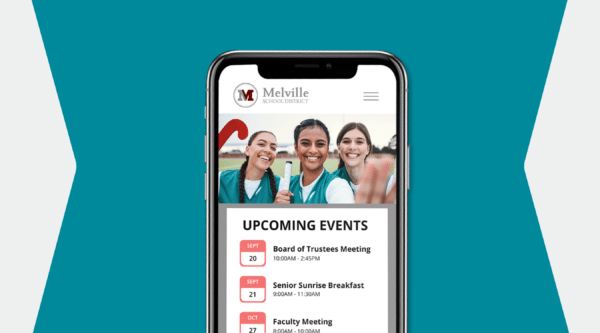
Your school website is the foundation of your digital presence. It acts as a hub where families, students, and staff can find all necessary information, from event calendars and announcements to resources and policies.
The key to having a successful website that supports all other communication is that it is easy to use and shows all updates of communication that is being shared. For example, if you are promoting a big event, you should have it featured as a news announcement, homepage banner and even a calendar event. Depending on the degree of your CMS integration, it may automatically update, or you may have to update the website manually.
Key Features of an Effective School Website:
While digital communication is essential, it’s important to remember that some community members may not have reliable access to smartphones or the internet. Traditional methods, such as printed newsletters or flyers, still hold value and should complement your digital efforts.
Be sure to cross-promote your digital channels in non-digital materials, such as including, “Follow us on Facebook” or “Download our school app” on printed newsletters. This helps ensure all families, regardless of their preferred communication method, stay informed.
Get the full picture on planning communications in schools in our guide.
As the communication landscape continues to evolve, schools must adapt to keep up. By utilizing a combination of digital communication channels, schools can ensure messages are delivered clearly, consistently, and in the most engaging manner possible.For more tips on managing school communications or to learn how to simplify your school’s communication strategy, explore tools like SchoolStatus for an all-in-one communication solution that helps manage outreach, engagement, and compliance.
 SchoolStatusSchoolStatus connects educators and families around the topics that matter most. The company partners with K–12 districts to improve attendance, engage families, and build trust so students can succeed. A recognized leader in data-driven attendance and family engagement solutions, SchoolStatus enables districts and educators to engage families with relevant, timely communications and proactive support on important topics including absenteeism, literacy progress, and overall student readiness. Today, SchoolStatus supports districts in all 50 states and serves more than 22 million students nationwide as a trusted partner in driving better student outcomes.

News, articles, and tips for meeting your district’s goals—delivered to your inbox.

Ready to learn more about our suite of solutions?