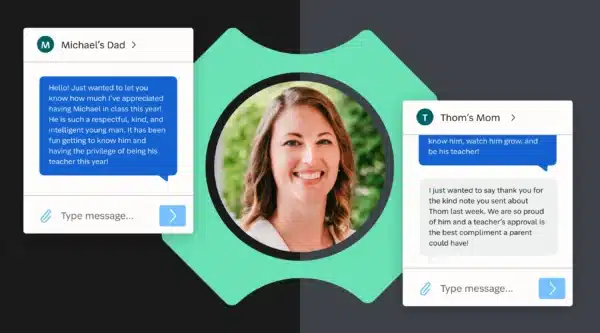
3 Great Ways to Engage Families in Your School Community
read more


SchoolStatus Launches Literacy Solution to Help Districts Engage Families in Improving Reading Outcomes
Read More >

Key Attendance Trends from the 2025-26 School Year: Insights from 1.1M Students
Read More >

May is Mental Health Awareness Month, which marks a time for us to discuss ways to address the challenges faced by millions of individuals who live with mental health conditions. In the school environment, students with mental health issues face their own set of challenges. Fifty percent of all lifetime mental health conditions begin by age fourteen.
Every day, educators, counselors, and other staff members reach out to students struggling with mental health concerns. District leaders develop programs that build coping, relationship-building, and behavioral modification skills.
Yet, in our post-pandemic world, social issues, such as bullying and social media dependence make that job all that much harder. Fortunately, there are ways schools can extend their support to students with mental health conditions to ensure they have the tools they need to be successful.
K-12 school districts are in an advantageous position to support students’ mental health. Children and teens spend a great part of each day at school, and they’re surrounded by caring adults who are committed to meeting their needs. Young people are almost as likely to receive mental health services in an educational setting as they are to receive treatment from a mental health provider.
School-based mental health programs are a vital part of student support systems that include early identification of conditions, sharing of resources, referrals for treatment, and training of faculty. Many measures to address students’ mental health are relatively easy to implement and don’t have to add to school budgets.
Here are 7 ways your school district can expand its efforts to meet the needs of students’ mental well-being:
Teachers, principals, and other staff members also need mental health support, and school districts can take steps to meet their needs so they are empowered to support students. Programs that have been developed for students can be offered to staff, as well, to help them with stress, burnout, and depression. For example, educators can participate in mindfulness training and be connected to therapeutic resources.
As school districts continue to support students’ with mental health challenges, they are helping them to improve their social, emotional, and academic growth and develop critical skills so they can learn to process difficult emotions and manage conflicts—empowering them to have a better life experience from childhood into adulthood.
 Hunter Sunrise
Chief Marketing Officer
A former college educator in Creative Writing, Hunter Sunrise is an accomplished strategic marketing leader delivering 20+ years of impact across marketing and product innovations. Throughout his career, Hunter partnered with brands including DIAGEO, AT&T, Bank of America, GameStop, Kendra Scott, Thinkful and Alaska Airlines to help translate organizational goals into actionable marketing and experience-design programs with human-centric solutions. At SchoolStatus, Hunter helps develop and mentor motivated teams built on a foundation of cross-functional collaboration, clear and inspirational leadership, and mutual respect.
News, articles, and tips for meeting your district’s goals—delivered to your inbox.




















Ready to learn more about our suite of solutions?