


Featured Resource
SchoolStatus Launches Literacy Solution to Help Districts Engage Families in Improving Reading Outcomes
Read More >

SchoolStatus Launches Literacy Solution to Help Districts Engage Families in Improving Reading Outcomes
Read More >
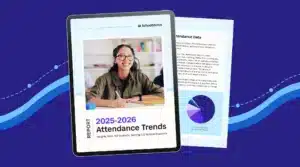
Key Attendance Trends from the 2025-26 School Year: Insights from 1.1M Students
Read More >

Welcome back to Coaching Roundup! We’re closing out 2019 by taking a look into a coaching inevitable: working with resistant teachers. Learn a few different strategies on how to both anticipate and work through some of these issues from this week’s fantastic coaches.
Elena Aguilar shares some insights into coaching resistance and the importance of shifting how we see the problem in order to overcome it.
“When we perceive someone’s unwillingness to do something, we’re picking up on their emotions. Resistance is often a mask for a range of feelings including anger, sadness, fear, confusion, exhaustion, and distrust. . . . The reason that we find it so hard to coach resistance is because we don’t know how to respond to emotions when they surface in ourselves, nor do we have many strategies to respond to the emotions that other people express.”
Lauren Vaclavik provides a few of her tips for building relationships and establishing a culture of coaching within a school or organization.
“As a coach, one of the most important factors in creating the culture of coaching is to know that you are not there to fix another teacher. In fact, you’re there to find the good and make it stronger. . . . Always remember to keep the focus on the students and their reactions to the teaching.”
Chrissy Beltran offers eight foundational to-dos before you approach a reluctant teacher.
“There are almost definitely a couple people on your campus who aren’t that excited to see you coming. . . . Teachers who don’t want to work with you are sometimes looking for an excuse. And if they’ve had a bad experience before, they’re looking for confirmation that you are the same. Don’t give it to them. Do not say anything snotty, overtly pushy, or bossy. Be yourself, with a personality, but manage your emotions. It’s a hard thing to do as a coach, but it’s essential for building a relationship with teachers – especially the ones who don’t want you around.”
Alison Newby highlights how listening skills and attitude shifts can help you work more productively with reluctant coachees.
“Have you ever been presented with what I’ll call here the ‘closed dandelion’ type of coachee? . . . Such coachees need time to settle down and relax, are wary of perceived insensitivities, alive to interpreting apparently neutral words as cynicism, and often close in on themselves again with just the slightest excuse. . . . If we do not sense more than the ‘closedness’ of these uncommunicative ‘dandelions’, we do ourselves and them a disservice.”
Elena Aguilar is back with three more techniques to help reduce teacher resistance and provides example conversations for each one.
“Clearly naming and acknowledging the quality of the experience for the educator helps heighten their awareness – and this initiates their own power. Educators have a lot more influence than they may realize in moments where they feel overwhelmed. It is important not to lose sight of their power of influence. We need to help them elevate and focus on positive ways to improve the learning experience for kids.”
Last year we covered a similar topic in our December Coaching Roundup. Take a look for seven more articles on overcoming coaching barriers!
 SchoolStatusSchoolStatus connects educators and families around the topics that matter most. The company partners with K–12 districts to improve attendance, engage families, and build trust so students can succeed. A recognized leader in data-driven attendance and family engagement solutions, SchoolStatus enables districts and educators to engage families with relevant, timely communications and proactive support on important topics including absenteeism, literacy progress, and overall student readiness. Today, SchoolStatus supports districts in all 50 states and serves more than 22 million students nationwide as a trusted partner in driving better student outcomes.
News, articles, and tips for meeting your district’s goals—delivered to your inbox.


















Ready to learn more about our suite of solutions?


