How to Host an Effective Family Information Night
read more


SchoolStatus Launches Literacy Solution to Help Districts Engage Families in Improving Reading Outcomes
Read More >

Key Attendance Trends from the 2025-26 School Year: Insights from 1.1M Students
Read More >

Chronic absenteeism and student attendance issues continued to challenge K-12 schools in the 2023-2024 school year. Looking back over the past three years, we can identify strategies and data trends that help K-12 educators and admins support students and inspire consistent attendance.
We recently released a report, Navigating Absenteeism in 2024: Trends and Insights, that examines data from 2021 to 2024 to shine a light on student attendance and provide insightful strategies for the school year to come.
In this blog post, we’ll explore the report’s findings, and share best practices that can help inform educators’ approach in the 2024-2025 school year.
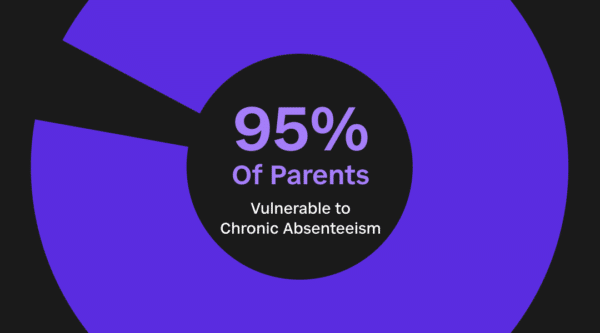
It’s no surprise to anyone in education that chronic absenteeism is still a serious, ongoing problem for schools and districts across the country. Our report found that absenteeism tends to increase along grade levels, with the highest rates of absenteeism among 12th graders (a whopping 31.84% in March of 2024). In other words, as students approach and pass through high school, they are more likely to miss school than elementary and middle school students. Some of this is understandable—high schoolers can be notorious for bucking the system as they become more independent and self-reliant. However, most students who are chronically absent in high school have struggled with attendance in previous grades. This indicates that early intervention can make a significant difference in addressing high school attendance rates by instilling positive attendance habits early on.
Another takeaway from the report is that district size can play a role in absenteeism rates. Larger school districts, those comprising more than 20,000 students, are more likely to struggle with absenteeism and to take longer to see significant improvements. Conversely, districts with less than 3,500 students have seen improvements at over half the rate of larger districts. On average districts with fewer than 20,000 students report over 92% attendance rates as of March 2024.
District leaders know their communities and student populations best. And it’s crucial that they have the tools necessary to understand all of the factors impacting their communities in order to develop successful intervention strategies.

Based on the findings from our report, we’ve developed a set of best practices to help schools and districts improve student attendance. You can also find free downloadable templates and resources in our guide, How To Start Reversing Chronic Absenteeism In Your District.
If you’re interested in how your district stacks up or what strategies and tactics are making a difference for districts throughout the U.S., download Navigating Absenteeism in 2024: Trends and Insights.
 SchoolStatusSchoolStatus connects educators and families around the topics that matter most. The company partners with K–12 districts to improve attendance, engage families, and build trust so students can succeed. A recognized leader in data-driven attendance and family engagement solutions, SchoolStatus enables districts and educators to engage families with relevant, timely communications and proactive support on important topics including absenteeism, literacy progress, and overall student readiness. Today, SchoolStatus supports districts in all 50 states and serves more than 22 million students nationwide as a trusted partner in driving better student outcomes.

News, articles, and tips for meeting your district’s goals—delivered to your inbox.




















Ready to learn more about our suite of solutions?