Increasing Family Engagement in Schools: What Families Say Works
read more


New Book Gives District Leaders a Practical Framework for Improving Chronic Absenteeism—and a Comprehensive Look at State-Level Attendance Policies
Read More >
Key Attendance Trends from the 2025-26 School Year: Insights from 1.1M Students
Read More >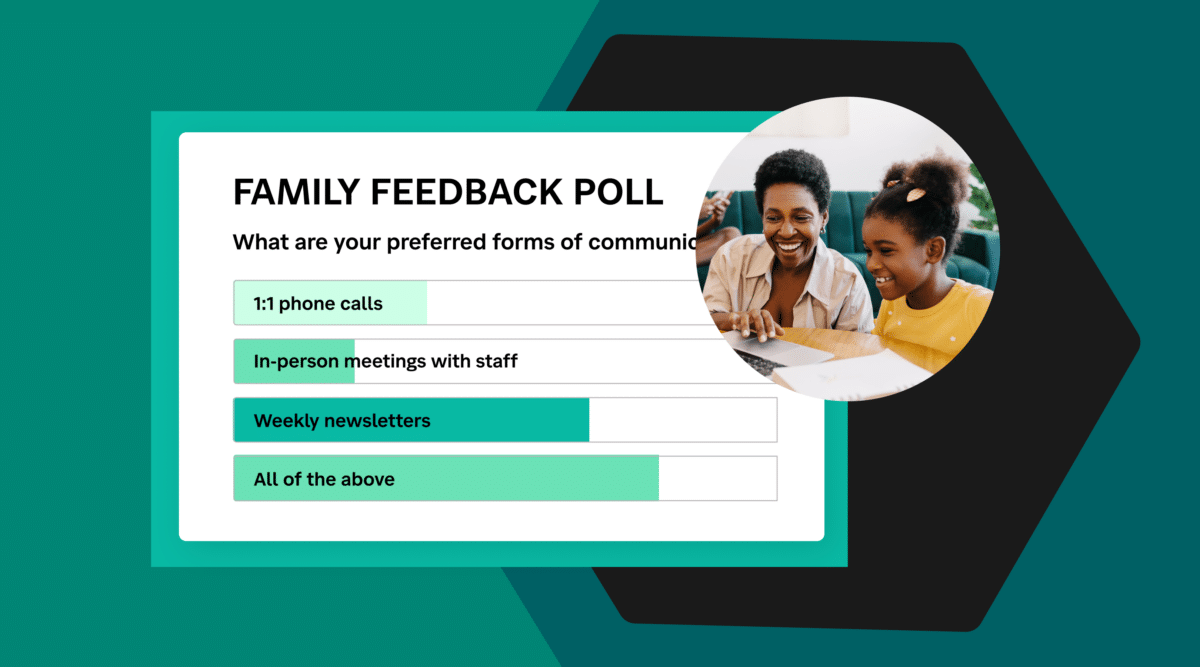

Families want to stay involved, but too often they’re left out of the loop. Teachers are doing their best, but many don’t know if their messages are being seen. A solid family engagement plan should be clear and consistent. Using tools like SchoolStatus Connect and Smore can help schools reach every family in ways that actually work, track what’s landing, and keep the focus on helping students succeed.
When families are involved, students do better. Building an actionable plan to increase family engagement opens the door to improved outcomes.
We often do a great job of building engagement around one-off events like Meet-the-Teacher night, parent-teacher conference emails, and fundraising flyers. While these connection points are helpful, families and educators would both benefit from a more cohesive communication approach.
In this post, we’ll introduce some realistic and straightforward family engagement action plan ideas that help schools keep families informed without overburdening staff. The ideas below are based on findings in our latest white paper, The State of Family-School Communication.
Families want to support their kids. Teachers want to keep them informed. However, nearly one in three parents say they feel out of the loop when it comes to their child’s school experience. At the same time, only about half of teachers feel confident their messages are actually reaching families.
Clarity and consistency can go a long way to improving things for both families and educators. Which brings us to the first step.
Families are more likely to stay engaged when they don’t have to guess where a message is coming from. Suppose your school sends a lot of communication, but uses multiple tools and apps to send emails, texts, and make phone calls. You may introduce various looks and feels, and a lack of personalization that could confuse families rather than engage them.
Choose one system that lets you message families through multiple channels like text, email, app, phone, without jumping between tools.
SchoolStatus Connect does this well. It lets educators send and track all types of messages from one dashboard. It also includes translations for over 130 languages. Teachers don’t have to worry about whether a parent prefers texts or emails because the system figures that out.
The beginning of the school year sets the tone for everything that follows. Your family engagement plan should focus on a strong start in the first month.
Some first 30-day strategies include:
These small steps go a long way in making families feel welcomed and involved.
A big part of any family engagement plan is figuring out what to send and how often. Be sure your messages are meaningful to families.
The report shows 37% of families want specific, actionable advice.
These communications include:
If you’re not sure how to share that kind of information, Smore makes it easy to build beautiful, engaging newsletters that work on any device.
Pro tip: Add a quick call to action like “Ask your child which part of today’s math lesson made them think the hardest” can lead to conversations that build trust and engagement.
One of the biggest communication mistakes schools make is not knowing what’s working. If 200 families get your email and only 40 open it, what’s your next move? Without data, you’re just guessing.
SchoolStatus Connect gives you real-time engagement data. You can see who’s reading messages, who isn’t, and where you might need to follow up. This transparency helps schools reach families early, especially when attendance or behavior becomes a concern.
The best family engagement ideas are straightforward and consistent.
Some examples of simple communications you can use during the year include:
No matter the communications you use, the goal is to make sure families get the right info at the right time, in a way that works for them.
Read more about how to increase family engagement in schools.
If your family engagement plan is consistent, thoughtful, and built with real people in mind, you’ll be well on the way to keeping families involved in their students’ success.
The State of Family-School Communication report gives you a clear picture of what families are asking for and how educators can meet them halfway.
It’s a set of clear, simple steps schools take to keep families informed and involved in their child’s education. A good plan includes consistent communication, clear messaging, and tools that track whether families are receiving the information.
Stick with one tool, use multiple channels (text, email, phone), translate messages when needed, and track who’s engaging. Most importantly, keep the message simple and relevant. SchoolStatus Connect does all of this in one place.
When families feel connected, students are more likely to attend school, stay on track, and succeed. Engagement improves trust, behavior, and learning outcomes, and it starts with communication that works.
Platforms like SchoolStatus Connect and Smore help schools send translated, trackable messages and newsletters. They make it easier for staff to reach families without adding to their already full plates.
Use communication tools that track engagement. SchoolStatus Connect shows open and response rates so you know which families might need follow-up. That kind of insight helps schools act early instead of playing catch-up.
Nef DukesManager of Education Strategy and Insights
Nef is a former teacher who is passionate about helping educators use data and communications to build family trust and improve educational outcomes. At SchoolStatus, Nef partners with districts to share practical insights and stories about what works in schools today.

News, articles, and tips for meeting your district’s goals—delivered to your inbox.














Ready to learn more about our suite of solutions?