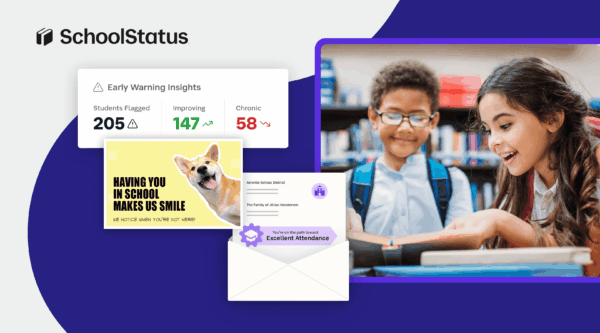
New Automated Early Warning System Identifies At-Risk Students Months Before They Become Chronically Absent
read more


New Book Gives District Leaders a Practical Framework for Improving Chronic Absenteeism—and a Comprehensive Look at State-Level Attendance Policies
Read More >

Key Attendance Trends from the 2025-26 School Year: Insights from 1.1M Students
Read More >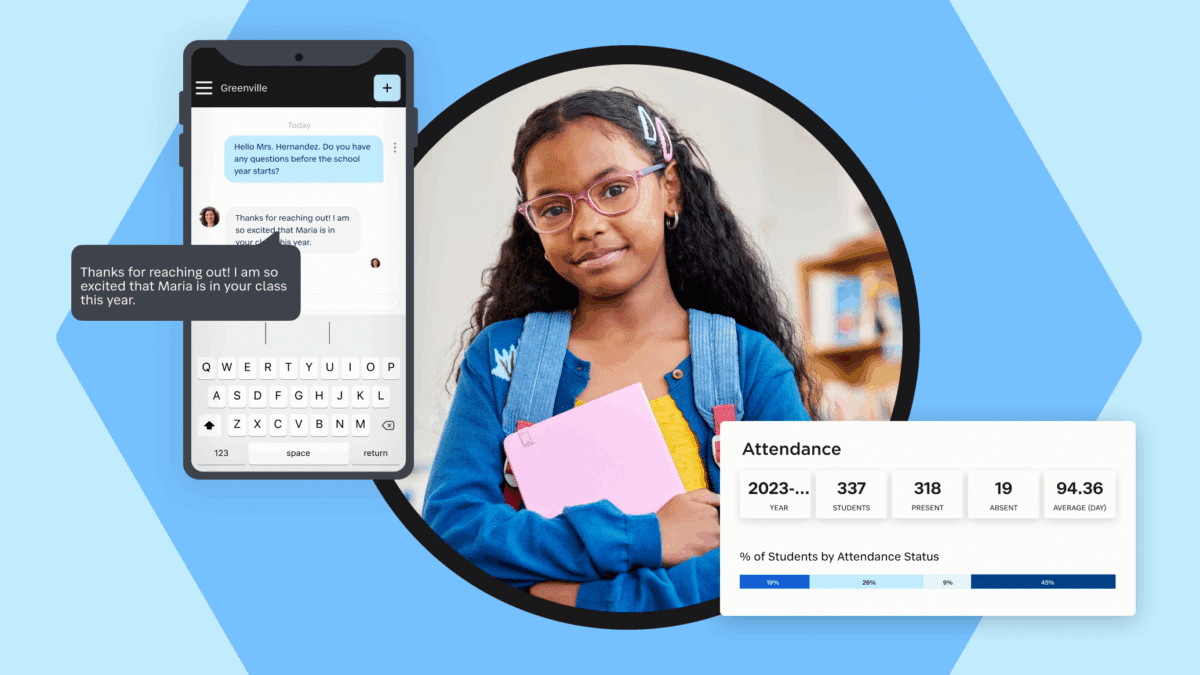

Greenville Public Schools replaced paper-based approvals and consolidated scattered student data using SchoolStatus. The result has been faster workflows, stronger family engagement, more meaningful PBIS and MTSS programs, and improved academic outcomes across 13 schools.
Greenville Public Schools in Mississippi faced challenges common to many districts: slow paper-based approvals and scattered student data that made it hard to see the whole picture of a child’s progress.
Pamela Dillard, the district’s Director of Technology, knew her team needed better systems. Staff were losing time tracking down missing forms, and teachers struggled to pull together the information needed to support every student. Digitizing forms was the first step, but what truly changed the district’s day-to-day was automating the workflows behind those forms. By partnering with SchoolStatus, Greenville PS was able to give time back to staff, gain a “whole-child” view of their students, and improve family engagement.
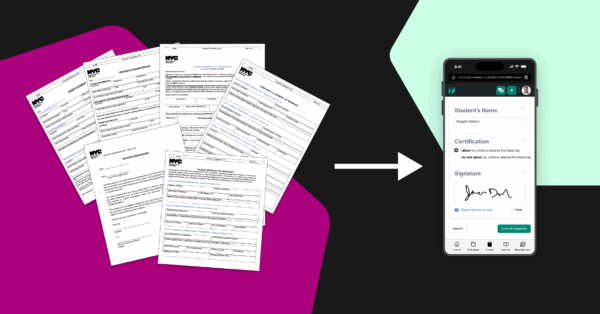
Before adopting SchoolStatus Forms & Flows, everything, from print shop requests to field trip approvals, was moved by hand from desk to desk. If someone was absent, the process stalled.
“Sometimes when you have paper forms, they’re sitting on somebody’s desk, we don’t know where it is,” Mrs. Dillard explains.
Now, digital workflows keep forms moving automatically. Staff can see where each request stands and step in when needed. The result is countless hours saved and fewer delays for students and teachers.
Digitizing paperwork solved one problem, but Greenville PS also needed a clearer view of each student. With SchoolStatus, teachers and leaders can now see grades, attendance, test scores, and family communication history all in one place.
“For us, SchoolStatus is a data warehouse where we can see the whole child,” says Mrs. Dillard. “If we’re doing an MTSS process on a student, I can see attendance, discipline, grades, test scores, and what kind of engagement educators have had with the parent — all in one place”.
This shift has changed how schools engage with families. Teachers now share successes, such as improved attendance or stronger test results, in addition to calls or texts when there may be a problem. The balance in communication builds trust and motivates students.
With a complete picture of student progress, Greenville has strengthened both PBIS and MTSS programs. Data helps leaders reward students who consistently attend school and group those with shared needs for targeted support.
PBIS incentives have become more meaningful because they’re tied to real improvements. As Mrs. Dillard shares, “If students come to school every day, we may reward them.” Recognizing students for positive habits not only motivates those who are already on track but also encourages others to improve their attendance and behavior.
For MTSS, connected data allows staff to move faster and more effectively. Instead of relying on scattered records, leaders can quickly identify which students need academic interventions and design small groups based on common challenges. Teachers see patterns across classrooms, principals understand where extra resources are needed, and families are kept in the loop with clearer communication.
These shifts mean that support is no longer reactive. Greenville PS can take proactive steps to help students before small issues grow into bigger obstacles. To date, this approach has helped improve academic performance across the district’s 13 schools
Greenville’s progress is a reminder that efficiency is about creating space for student success. Many districts are now looking at the same opportunities:
Districts facing paper bottlenecks or fragmented student data have a clear path forward by streamlining workflows, connecting systems, and giving educators back the time to focus on student progress.
Read the full Greenville Public Schools case study.
Paper-based approvals can be time-consuming and challenging to track. A form might move from desk to desk with no clear visibility, and if someone is out, it can be tough to know where things stand. The result is extra work for staff and less predictability for students and families.
SchoolStatus Forms & Flows moves paperwork online, so processes are faster and more reliable. Approvals flow automatically from one person to the next, leaders can see progress at a glance, and nothing gets lost along the way.
When data is split across multiple systems, it’s difficult to see the full picture of a student. A unified view brings together attendance, grades, behavior, and family engagement history, helping educators spot patterns sooner and take meaningful action.
Stronger data gives educators more reasons to connect with families. They can celebrate wins as well as address challenges, so families hear a balanced story about their child’s progress and feel more connected to the school community.
With everything in one place, districts can strengthen PBIS programs, design focused MTSS interventions, and recognize student growth more consistently. This makes support proactive and helps students stay on track.
Nef DukesManager of Education Strategy and Insights
Nef is a former teacher who is passionate about helping educators use data and communications to build family trust and improve educational outcomes. At SchoolStatus, Nef partners with districts to share practical insights and stories about what works in schools today.

News, articles, and tips for meeting your district’s goals—delivered to your inbox.















Ready to learn more about our suite of solutions?