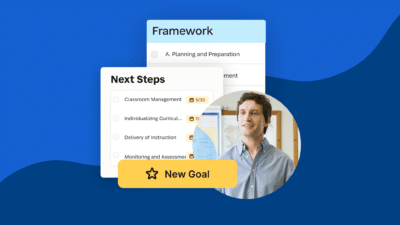
Building a Coherent Instructional Coaching System with Data at the Center
read more


SchoolStatus Launches Literacy Solution to Help Districts Engage Families in Improving Reading Outcomes
Read More >
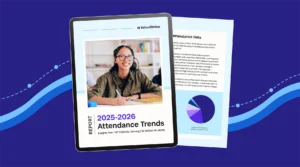
Key Attendance Trends from the 2025-26 School Year: Insights from 1.1M Students
Read More >Discover how Farmington Municipal Schools transformed instructional coaching with SchoolStatus Boost: Coach—scaling support, improving teacher practice, and using real-time data to drive equity and excellence across 10 schools.


Organization: Farmington Municipal Schools
District Size: 19 Schools
Product: SchoolStatus Boost: Coach
Location: Farmington, NM
Just two years ago, Farmington’s instructional support landscape was scattered. Instructional coaches, then called facilitators, worked from the central office, providing help as requested, without a consistent vision or structure. A few “equity coaches” had been deployed to high-needs schools, but without a shared coaching model, efforts quickly diverged.
That changed when the district committed to a bold shift: placing dedicated instructional coaches at each elementary school, giving them a clear framework, and investing in their growth. The entire cohort, both new and transitioning staff, underwent Jim Knight’s intensive training. It gave the district a common language and set of expectations.
But that was just the beginning. Just two years into the new model, embedded coaches were forming real relationships with teachers, pushing instructional practice forward, and creatively partnering with school administrators.
Supporting ten coaches across ten schools required a new layer of leadership. “You can’t be in ten places at once,” Jennifer Bowles, Director of Early Education, admitted. That’s where SchoolStatus became an indispensable tool, allowing her to have eyes in each of the elementary schools even when she couldn’t be there physically.
Every coach logs their time, tracks their progress through Knight’s coaching cycle (Identify → Learn → Improve), and tags focus areas aligned to district priorities like assessment and direct instruction. This data fuels weekly team meetings between the coaches, mid-year progress checks, and realignment conversations with school administrators.
SchoolStatus gives me insight into what’s going well, where we’re stuck, and how we’re growing—even when I can’t be in the building.
Jennifer Bowles, Director of Early Education
Highlights from the data:
Easy access to data dashboards on SchoolStatus has made it easy for Ms. Bowles to advocate for her team and show the impact of their work on student learning.
Early on, some principals questioned whether instructional coaching might overlap with their own responsibilities. After all, they considered themselves the instructional leaders in the building. To that concern, Ms. Bowles provided a powerful reframe: administrators provide Tier 1 walkthrough support for all; instructional coaches offer Tier 2 intensive, sustained support for a few.
Principals set the bar. Coaches help teachers reach it. The clearer the bar, the more teachers seek out their coach to grow.
Jennifer Bowles, Director of Early Education
This clarified vision led to stronger alignment across schools:
The broad investment in instructional coaching at Farmington came with the expectation that the results would be widespread. And so far, that’s been the case:
And it’s not just anecdotes. With nearly 200 coaching cycles conducted in one school year and full coach retention heading into next year, Farmington has built a thriving, sustainable coaching culture.
As Farmington looks to the future, the focus is on both quality and equity:
Ms. Bowles explained the power of her team’s role:
Instructional coaching is how we meet our ambitious goal, 85% of students proficient, not by lowering expectations, but by helping every teacher find the path to reach them.

Ready to learn more about our suite of solutions?