Cultivating Instructional Excellence with Coaching and SchoolStatus
read more


SchoolStatus Launches Literacy Solution to Help Districts Engage Families in Improving Reading Outcomes
Read More >
Key Attendance Trends from the 2025-26 School Year: Insights from 1.1M Students
Read More >Explore how a first-year instructional coach at Ladera del Norte Elementary sparked a school-wide shift—empowering teachers, elevating student voice, and using SchoolStatus to drive meaningful, student-centered growth.

At Ladera del Norte Elementary, there’s a brand new instructional coach —but you wouldn’t know it by walking through the halls. In just her first year, Mindy Small is getting teachers to open their doors, try new strategies, and realize powerful results. She’s become a trusted partner for educators across the building.
Ms. Small’s coaching journey began in a unique way—her very first coaching cycle was with her daughter, fifth-grade teacher Kazhia Small. Their partnership set the tone for what coaching could look like at Ladera: collaborative, student-focused, and rooted in curiosity.
Their first session started with a simple, powerful question: “What do you want to learn?”
The younger Ms. Small didn’t hesitate. “Socratic seminars. That’s my thing,” she said.
She had tried to implement the strategy before, inspired by her own experience in high school. But without structured support, it hadn’t landed. “I thought just being a participant in one was enough. It was not,” she admitted.
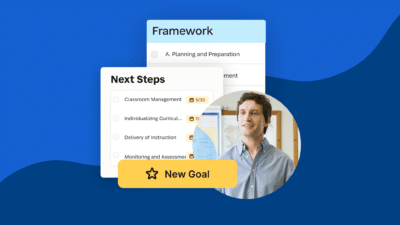
With Instructional Coach Small’s guidance, that challenge turned into an opportunity for growth. Together, they crafted a student-centered goal: help students generate and defend claims during class discussions. They leaned on Marzano’s framework for clarity, visited a local high school to observe Socratic seminars in action, and brought that insight back to fifth grade. And through it all, SchoolStatus helped them stay aligned—scheduling meetings, tracking progress, and supporting reflection at every step.
The early days weren’t easy. Their first attempt at a seminar was bumpy. But with constructive feedback from a veteran high school teacher and consistent coaching support, things started to click.
By the end of the year, every student in Ms. Small’s class could confidently make a claim and back it up with evidence. They even started leading their own seminars.
One moment stood out: a quiet student who rarely spoke in class offered a moving interpretation of a Robert Frost poem while a group of visiting teachers observed.
“They were like, ‘I’ve never heard this kid talk.’ And he was making real connections—to poetry!” Ms. Small recalled.
The impact didn’t stop with English Language Arts. Students began applying their reasoning and communication skills across subjects—math, science, and social studies. Their growing confidence caught the attention of other teachers, who began asking how they could bring similar strategies into their own classrooms.
As the school year progressed, so did Ms. Small’s coaching reach. Word spread. Teachers across grade levels began reaching out to start their own coaching cycles. Even during the hectic end-of-year testing season, Ms. Small continued supporting colleagues through abbreviated, meaningful coaching work.
Her approach remained grounded in relationships. “It’s fun to get teachers to stretch, to try something new, and to let them know I’m there so they won’t fail,” Ms. Small explained.
Behind the scenes, SchoolStatus made it all manageable. While she prefers the human side of coaching—face-to-face chats and handwritten notes—she relied on the platform to keep everything organized.
SchoolStatus helps me color-code my schedule, keep track of next steps, and know exactly who I’m working with.
Mindy Small, Instructional Coach
The platform offered structure without sacrificing connection, giving Ms. Small the bandwidth to focus on what mattered most: building trust and growing teacher practice.
Perhaps the most powerful result of Ms. Small’s coaching work has been the cultural shift it sparked across the school.
Even in her first year, she knew she had to change how coaching was perceived. “I think coaching used to have a negative connotation,” she reflected. “Like, ‘You have to work with the coach.’ Now it’s, ‘You get to work with the coach.’”
That reframing opened the door to vulnerability, experimentation, and growth. Teachers started setting bold goals—not just for academic outcomes, but for how they could inspire their students.
“At first, I just wanted kids to learn,” Ms. K. Small said. “Now, I want to inspire them. Truly inspire them.”
And she’s not alone. What started as one cycle has grown into a school-wide shift. At Ladera del Norte, instructional coaching isn’t just about improvement—it’s about empowerment. With trust, purpose, and support from SchoolStatus, teachers are building confidence, students are finding their voices, and the culture of learning is stronger than ever.

Ready to learn more about our suite of solutions?