Messaging and Communication are Not the Same Thing
read more


SchoolStatus Launches Literacy Solution to Help Districts Engage Families in Improving Reading Outcomes
Read More >


The summer is over, but if you’re like me, you’ve thought all summer long about how to help teachers increase student engagement, build their repertoire of teaching skills, and refine your own coaching practices at the same time.
August is a great time to think about effective instructional practice, the variety of ways to help teachers meet the needs of their students, and how your coaching practices need to be differentiated according to your teachers’ needs. How the coach begins the process is dependent upon two things: is the coach new to the school, or is this the next year of a coaching implementation? Either way, how coaches start the ball rolling and galvanize the teachers as the year begins is critical to a smooth operation.
This is the “no-judgment zone”; that is, you are there to give encouragement and help each teacher move forward in his/her practice, one conversation at a time.
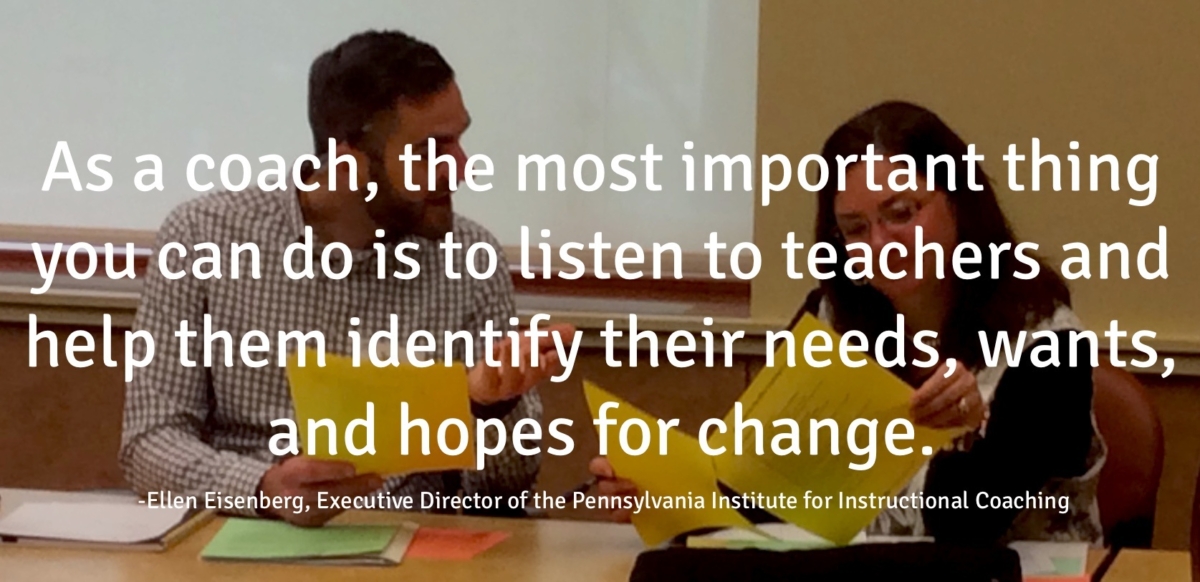
A coach’s role is to help teachers become more reflective practitioners and to think about their thinking in ways that will help them make changes to their practice. Teachers need to make time to talk about teaching and learning and not try to squeeze in really important conversations in the few minutes they pass each other in the hallways. They need time to meet, think aloud, practice, and then reflect about how students learn. The coach needs to make those opportunities for collaboration a reality, not just wishful thinking.
As Joellen Killion states, coaches are “catalysts for change” and are “visionaries who are never content with the status quo but rather always looking for a better way.” As you listen to your teaching colleagues, remember that your role is to ask questions that generate thought-provoking conversations and which lead to improved practices. Coaches are not the experts who know the answers; coaches help their teaching colleagues continually refine their practices by asking questions, expanding their tool kits, and guiding them to take ownership of their learning.
{{cta(‘aff0699e-2d29-45d5-accf-60ab441f603f’,’justifycenter’)}}
Ellen Eisenberg is the Executive Director of the Pennsylvania Institute for Instructional Coaching (PIIC). PIIC, a partnership of the Annenberg Foundation and the Pennsylvania Department of Education, is a statewide resource for developing and supporting consistent, high-quality instructional coaching in Pennsylvania schools.
{{cta(‘352a410e-db79-4f33-a482-d301e8041965’)}}
 SchoolStatusSchoolStatus connects educators and families around the topics that matter most. The company partners with K–12 districts to improve attendance, engage families, and build trust so students can succeed. A recognized leader in data-driven attendance and family engagement solutions, SchoolStatus enables districts and educators to engage families with relevant, timely communications and proactive support on important topics including absenteeism, literacy progress, and overall student readiness. Today, SchoolStatus supports districts in all 50 states and serves more than 22 million students nationwide as a trusted partner in driving better student outcomes.

News, articles, and tips for meeting your district’s goals—delivered to your inbox.