Messaging and Communication are Not the Same Thing
read more


New Book Gives District Leaders a Practical Framework for Improving Chronic Absenteeism—and a Comprehensive Look at State-Level Attendance Policies
Read More >
Key Attendance Trends from the 2025-26 School Year: Insights from 1.1M Students
Read More >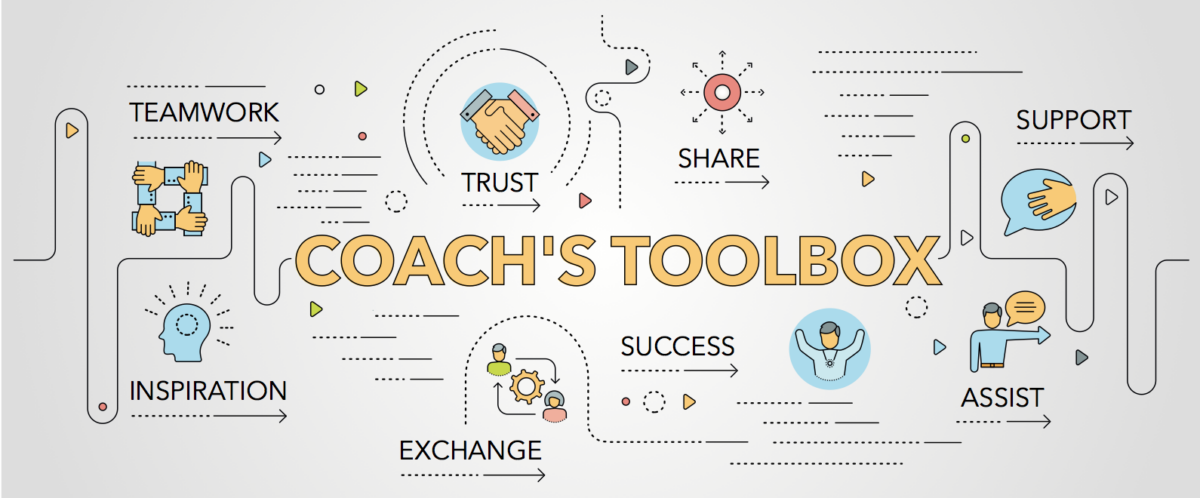


Shasta Looper, Balanced Literacy Coach from Greenville County Schools in South Carolina, shares the significance of empathy in coaching and provides strategies for promoting empathy with coachees.
F
our years ago when I stepped out of the classroom to become a coach, I had grandiose ideas of what I would be able to accomplish. A goal of mine was to save the world from poor instruction. While my classroom experience led to excellent content knowledge, there were lessons that I still needed to learn as a new coach—some were easier than others to be honest. Of those that were the most difficult, utilizing empathy in coaching was by far the hardest to learn, yet it was something that could not be taught by anyone and that I had to learn in the trenches.
As a classroom teacher, approaching student learning with empathy is second nature. However, when we move to coaching teachers, we often forget to bring that same empathy with us. We expect students to be at different places on the learning continuum but struggle to see that teachers come to us in different places as well. Here are some strategies I’ve acquired along my journey for promoting empathy within my coaching work.
When starting as a coach, everyone brings their own personal ideas and philosophies to the table. Coaches may even bring preconceived notions about individual teachers based on what others have shared. Setting aside those ideas and judgments allows the coach to focus on where the teacher actually is, rather than where the coach thinks he or she needs to be. For example, if a coach enters a coaching conversation thinking that a teacher has poor classroom management, the coach may miss what is really happening. Focusing on the coachee allows a coach to identify root causes of issues of concern and then helps the coach to formulate questions that will allow the coachee to reflect more effectively.
Most coaches have proven success in a classroom and have been recognized as being an effective teacher. This could be from test scores, daily student performance, innovative practices, etc. When we coach, we have to remember our coachee is not us. Every teacher brings unique talents and gifts to a school and those should be recognized and celebrated. We do not need a school to be full of teachers who teach exactly the same way. As a coach, it’s crucial we help our coachee identify their strengths and talents by bringing them to their attention. By doing so, we help build teacher capacity and develop teacher leaders. Every coachee may have a different way of doing things, but when we focus on student outcomes, our conversations change and allow teachers to embrace their uniqueness.
In our daily conversations, we tend to listen and respond with our own ideas. For example, when listening to a friend tell me about a movie she saw recently, I listened to what she had to say and then responded with my own thoughts and ideas. Listening as a coach is completely different.
Instead of listening to a coachee share what’s happening in their classroom to share my ideas and thoughts, coaches listen to understand and then formulate questions that will mediate a teacher’s thinking. If coaches listen to respond, it devalues the coaching process and defeats the purpose—and becomes consulting. If the goal of coaching is to guide a teacher through the reflection process, entering our own ideas and thoughts into the equation defeats that. By listening to understand, we’re truly seeking to get to the root causes and then walking a coachee through the reflection process to impact their practice.
Many times, teachers don’t know where to start when beginning to change their practice. Involving the coachee in the process of planning allows the teacher to take ownership of the process. Once a starting point is identified, mapping out the next few steps allows the coachee to not only see the bigger picture, but also the path to achieve the goal. If the coach is the only one who decides the path, the teacher has no ownership. Without mutual ownership, it opens up the possibility that if the plan is not effective, the coach is the blame. It’s very easy to say, “This wasn’t my idea. My coach told me to do this.” When collaborating a path for a teacher to take, a coach can offer several suggestions and allow the teacher to choose the one that best fits.
Remembering that “lasting change takes time” is important when supporting teachers. If coaches push too hard or too fast, the coachee can quickly become frustrated and resist any changes. Recognizing where the coachee is currently, and taking small steps, pays off in the long run.
One of my favorite mantras in coaching is: “Go slow to go fast.” Dipping a toe outside of the comfort zone can be more effective than jumping into the deep end quickly. For many, that small step is terrifying, so making sure you include yourself in the plan as support provides the teacher with comfort.
After presenting options for support, coaches must remember to show up and be present during that support. For example, if we offer to collect data, we need to make sure that we do so. Teachers will grow faster if coaches are present by actively supporting the changes in practice. After each coaching activity—model lesson, co-teaching experience, observation—plan a debrief and reflection session with the teacher. If coaches do not show, then trust is broken between the coach and coachee. The relationship between a coach and the coachee is built on trust—when it’s broken, it’s hard to overcome.
Out of all of my coaching experiences over the last 4 years, learning how to incorporate empathy has been the biggest learning for me. Balancing the demands of school performance and student growth while showing empathy takes practice and continuous refinement. Teachers crave someone who will walk the journey with them and help guide them towards best practices. There isn’t a teacher I know who doesn’t want what is best for their students and utilizing empathy in coaching helps us do just that!
Shasta Looper is a 3rd year Balanced Literacy Coach through the OnTrack Greenville grant with Public Education Partners and Greenville County Schools. Prior to her role as a literacy coach, Shasta was a TAP Master Teacher and a classroom teacher in grades 2-5. She has served as a teacher consultant for the Upstate Writing Project and an adjunct technology trainer for Greenville County Schools. In 2012, she was awarded the Milken Educator Award for her work inside and outside of the school setting. Shasta is passionate about literacy, specifically creating engaging environments that develop students as readers.
Follow Shasta on Twitter @ShastaLooper
{{cta(‘352a410e-db79-4f33-a482-d301e8041965′,’justifycenter’)}}
 SchoolStatusSchoolStatus connects educators and families around the topics that matter most. The company partners with K–12 districts to improve attendance, engage families, and build trust so students can succeed. A recognized leader in data-driven attendance and family engagement solutions, SchoolStatus enables districts and educators to engage families with relevant, timely communications and proactive support on important topics including absenteeism, literacy progress, and overall student readiness. Today, SchoolStatus supports districts in all 50 states and serves more than 22 million students nationwide as a trusted partner in driving better student outcomes.
News, articles, and tips for meeting your district’s goals—delivered to your inbox.