Messaging and Communication are Not the Same Thing
read more

New Book Gives District Leaders a Practical Framework for Improving Chronic Absenteeism—and a Comprehensive Look at State-Level Attendance Policies
Read More >
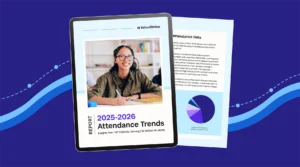
Key Attendance Trends from the 2025-26 School Year: Insights from 1.1M Students
Read More >


ICs spend their days supporting the growth of educators, but who does the same for them? Stephanie Affinito, Staff Associate in the literacy department at the University at Albany in New York, believes that coaches can guide their own learning through her four-step processes built on self-reflection.
I
nstructional coaches are constantly leading the learning of others: we create yearly visions for our work, offer professional development on chosen topics, partner with teachers in the classroom, and curate resources and materials to support teacher learning over time. We don’t just focus on the content of learning; we support teachers’ mindsets so they, too, feel supported and energized.
As coaches, we’re often left to our own devices when it comes to our professional learning, which means that it can get swept behind the myriad of other roles and responsibilities we prioritize. However, to lead well, we have to remain lifelong learners ourselves, by growing, stretching, and changing as professionals.
I’m here to share a 4-step process to help you create a personalized learning plan for yourself. Grab a few quiet minutes, your favorite beverage, and a notebook—now, let’s get started!
The first step in creating a personalized learning plan for yourself is to reflect on your coaching—you must look back at where you’ve been to move forward. Think back on the most memorable moments of the year and their impact on your work as a coach. Then, audit your coaching calendar and look back through the pages while asking yourself the following:
Now that you’ve weighed up your life as a coach so far, it’s time to think about your ideal coaching life.
The challenges you’re facing right now offer you a unique window into your next area of professional growth. Close your eyes—really visualize your ideal coaching life in your mind—and think through the following:
Here’s the thing: there’s no one right way to choose a goal for yourself. Only you know what your coaching needs and what your heart wants. You can explore coaching standards for ideas, like ISTE’s Standards for Coaches or the ILA’s levels of coaching activities, but the bottom line is that we’re all ready to learn something: we just need to name what it is!
Once you’ve chosen a goal, it’s time to create your plan to accomplish it. I like to follow a simple what-where-how plan for my learning. To try this out yourself, take a moment to recreate these questions in your notebook and make a quick plan:
Nearly there! Now it’s time to plan mini-wins and the checkpoints along your journey.
Since you’re leading your own learning, you’ll have to schedule check-points along the way to ensure you’re putting your needs first. Plan your goals in weekly increments based on what you want to accomplish and then schedule time on your calendar to achieve those cumulative actions over time.
I like to think of my goals in monthly chunks of time, so I chart out my weekly tasks over four weeks. So, if my goal were to plan more effective and engaging professional development for teachers, I might chart out the following:
Make sure to keep track of your learning by noting down what you’ve learned from your weekly accomplishments.
I know what you’re thinking, “Stephanie, that was a lot to take in, but I’m feeling ready and energized to put my plan into action.” Or something like that, I hope!
Once you’ve reached your ultimate goal, take some time to reflect on what aspects of your coaching improved, what you’re learning about coaching pedagogy, and how this will impact your future practice. Most importantly, celebrate your well-deserved accomplishments and share them with fellow coaches, as you’re sure to inspire others with your personalized goals too.
Stephanie Affinito is a Staff Associate in the Department of Literacy Teaching and Learning at the University at Albany in New York. She has a deep love of literacy coaching and supporting teachers’ learning through technology. Stephanie creates spaces for authentic teacher learning that build expertise, spark professional curiosity, and foster intentional reflection to re-imagine teaching and learning for students.
Additionally, she presents regularly at state and national conferences on literacy coaching, teacher collaboration, and supporting teachers’ reading, writing, and learning through innovative technology.
Be sure to check out her recently published book with Heinemann Publishing, Literacy Coaching: Teaching and Learning with Digital Tools and Technology.
{{cta(‘352a410e-db79-4f33-a482-d301e8041965′,’justifycenter’)}}
 SchoolStatusSchoolStatus connects educators and families around the topics that matter most. The company partners with K–12 districts to improve attendance, engage families, and build trust so students can succeed. A recognized leader in data-driven attendance and family engagement solutions, SchoolStatus enables districts and educators to engage families with relevant, timely communications and proactive support on important topics including absenteeism, literacy progress, and overall student readiness. Today, SchoolStatus supports districts in all 50 states and serves more than 22 million students nationwide as a trusted partner in driving better student outcomes.
News, articles, and tips for meeting your district’s goals—delivered to your inbox.