September Attendance Sets the Tone for the Year
read more


SchoolStatus Launches Literacy Solution to Help Districts Engage Families in Improving Reading Outcomes
Read More >
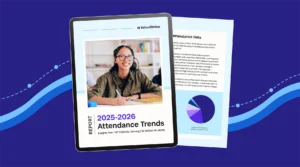
Key Attendance Trends from the 2025-26 School Year: Insights from 1.1M Students
Read More >

Better attendance means more students learning and more dollars protected for your district. You can win board support by showing the financial upside, pointing out staff time saved, and making the case for attendance systems as a sustainable investment. Here’s a six-step plan you can use.
You’ve managed enough budgets to know the math: when more students are in class, your district holds on to the funding you’ve already earned.
In ADA states, even a slight increase in attendance can result in hundreds of thousands of dollars being returned to your budget. That’s money you can put toward teachers, programs, and student support.
And unlike new enrollment or grants, you don’t have to wait years to see results. Attendance improvements can show up on the balance sheet this semester.
Boards listen when you make it real. Don’t talk in percentages. Put it in dollars.
Frame it as, “that’s $400,000 back in the budget,” instead of “a 5% reduction in absenteeism.” That’s the kind of number that gets attention.
If the district next door has better attendance, they’re getting more per-pupil funding than you are. Show your board what closing that gap could mean for your budget. It’s a simple, powerful comparison: “If we matched regional averages, here’s how much more funding we’d bring in.”
You know how much time your staff spends chasing attendance. Letters, spreadsheets, court filings—it adds up. Automated systems give those hours back. Framing it as “20 staff hours saved every week” makes the point clear: better attendance isn’t just about more dollars, it’s about freeing your people to focus on students.
Board members get it—grants come and go. But when you improve attendance, the revenue shows up again and again. It’s recurring, reliable, and far less volatile than hoping for new funding streams. Attendance solutions aren’t an expense to defend; they’re an investment that pays off every year.
Absenteeism affects every student differently. Chronic absenteeism disproportionately affects students from low-income families and communities of color. Framing attendance as an access and opportunity issue, while also highlighting the financial benefits, makes it clear that the goal is fairness and better outcomes for all students.
You already know that families play a critical role in student success. When they get timely, personal communication, they act. And when they act, kids come to the classroom. Research shows the difference family engagement makes is as big as the gap between remote and in-person learning. That’s the kind of information that helps your board connect the dots between attendance, families, and funding.
You don’t have to wait years to see an ROI. Districts that put in modern attendance systems see results quickly. With tools like SchoolStatus Attend, you get automated alerts, real-time dashboards, and direct family outreach built in. The outcome?
This article is adapted from our eBook The Cost of Absence: How CFOs Can Reclaim Lost ADA Funding.

Use this PowerPoint Deck Template for your next presentation.
In ADA states, you’re paid for students in class—not just enrolled. Even a 1% change in absenteeism can result in a shift of tens of thousands of dollars in revenue.
Faster than almost any other lever you have. Attendance gains can show up within weeks, not years.
You know how many hours are spent tracking attendance by hand. Automated systems handle the letters, notices, and follow-ups, freeing up the equivalent of a part-time staff member every week.
Families are central. When they receive timely and clear communication, they respond. And when they respond, attendance improves.
Because the revenue comes back every year. Once you have the right systems in place, attendance gains keep paying off long after the rollout.
Nef DukesManager of Education Strategy and Insights
Nef is a former teacher who is passionate about helping educators use data and communications to build family trust and improve educational outcomes. At SchoolStatus, Nef partners with districts to share practical insights and stories about what works in schools today.

News, articles, and tips for meeting your district’s goals—delivered to your inbox.




















Ready to learn more about our suite of solutions?