


New Guide Shows How to Improve Attendance by Up to 40% with Data-Driven Outreach
read more


SchoolStatus Launches Literacy Solution to Help Districts Engage Families in Improving Reading Outcomes
Read More >
Key Attendance Trends from the 2025-26 School Year: Insights from 1.1M Students
Read More >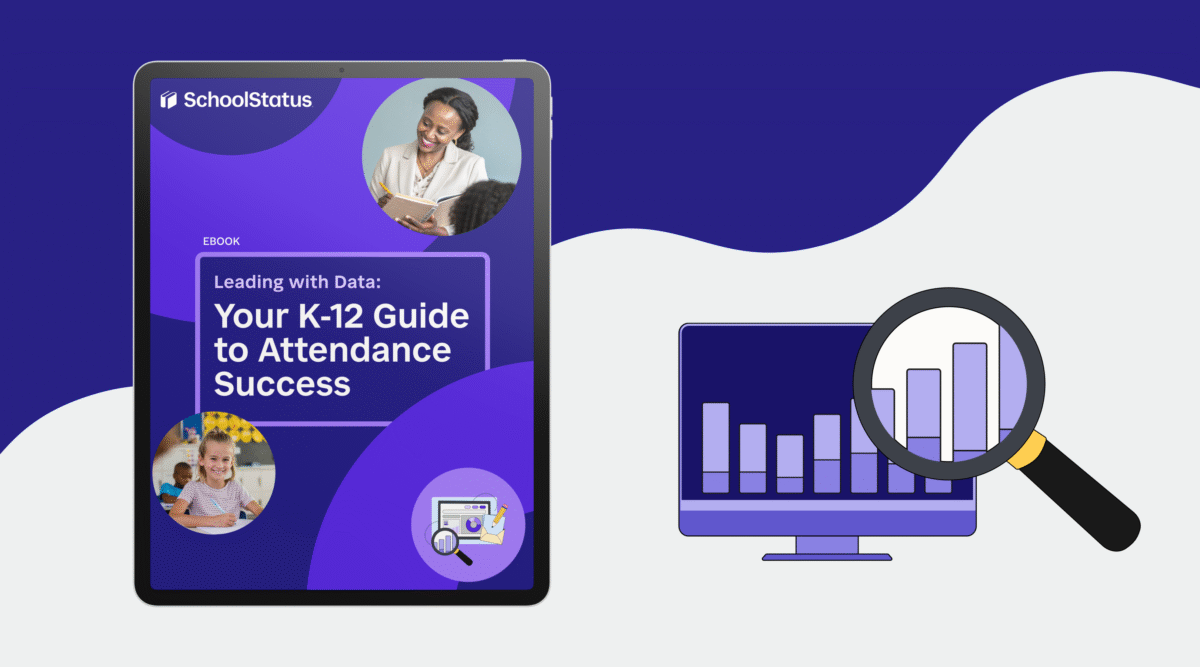

SACRAMENTO, CA, February 5, 2026—While chronic absenteeism remains a persistent challenge for districts nationwide, some districts are seeing 20-30% improvement. What are they doing differently? SchoolStatus, the leader in K-12 attendance solutions, released a new guide that shows districts how to use their attendance data more effectively to identify patterns early and take action before absences become chronic.
Leading with Data: A K–12 Guide to Attendance Success draws on proprietary SchoolStatus attendance and family engagement data along with tangible examples from districts that are successfully reducing chronic absenteeism. The guide examines how districts can move from outdated, manual attendance processes to early warning systems, centralized student data, and automated processes that show the impact of interventions and outreach.
“Many districts are collecting attendance data but struggling to turn it into action,” said Dr. Kara Stern, Director of Education at SchoolStatus. “This guide shows what is possible when districts use attendance data to understand patterns and respond earlier. And realistic steps they can take to get there.”
The guide highlights how attendance data can surface meaningful patterns when districts look beyond daily totals:
District spotlights in the guide show how data analysis helped districts adjust practices and see measurable improvements in attendance.
Drawing on analysis of more than 3 million school to home text messages, the guide also provides data-based tactics for improving message response times and building trust with families. Key insights include:
“These patterns confirm that early communication can change attendance behavior,” said Dr. Stern. “The first message sets the tone for the year.”
The guide includes district examples that show how data-informed approaches lead to results:
“These districts show that meaningful attendance improvement is achievable when data is used consistently and intentionally,” said Dr. Stern.
Download Leading with Data: A K–12 Guide to Attendance Success.
Media Contact
Annmarie Ely
0to5 for SchoolStatus
267.454.4686
[email protected]
 SchoolStatusSchoolStatus connects educators and families around the topics that matter most. The company partners with K–12 districts to improve attendance, engage families, and build trust so students can succeed. A recognized leader in data-driven attendance and family engagement solutions, SchoolStatus enables districts and educators to engage families with relevant, timely communications and proactive support on important topics including absenteeism, literacy progress, and overall student readiness. Today, SchoolStatus supports districts in all 50 states and serves more than 22 million students nationwide as a trusted partner in driving better student outcomes.

News, articles, and tips for meeting your district’s goals—delivered to your inbox.




















Ready to learn more about our suite of solutions?