


Messaging and Communication are Not the Same Thing
read more


New Book Gives District Leaders a Practical Framework for Improving Chronic Absenteeism—and a Comprehensive Look at State-Level Attendance Policies
Read More >
Key Attendance Trends from the 2025-26 School Year: Insights from 1.1M Students
Read More >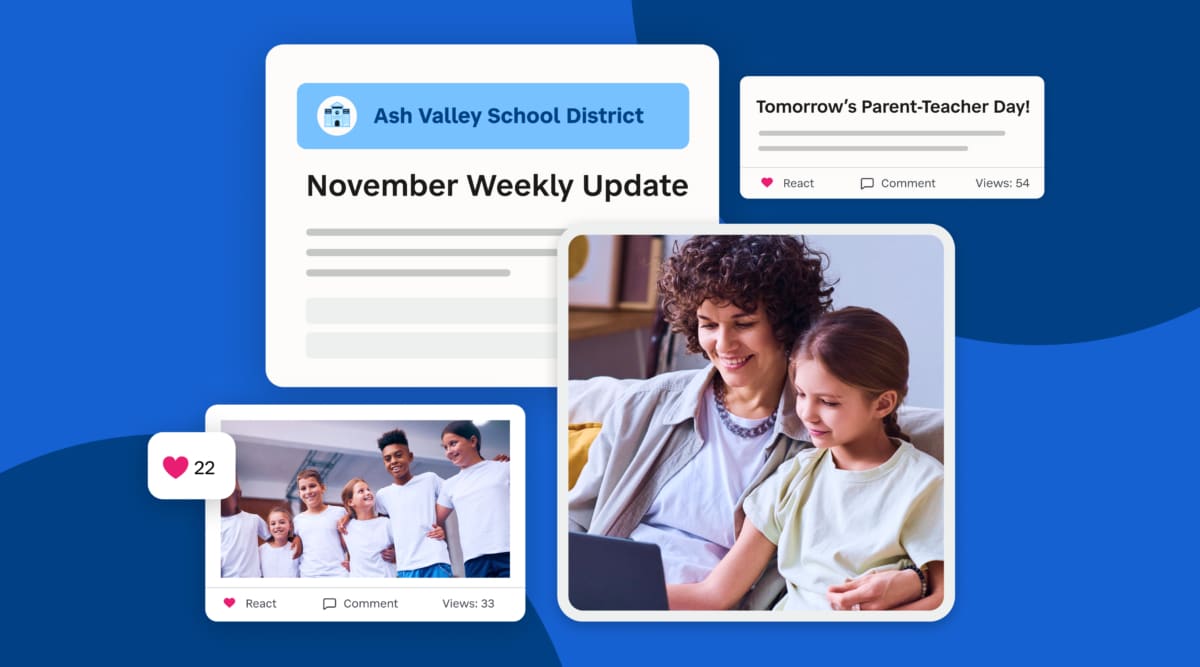

To ensure our students are set up for success, we can’t underestimate the power of classroom communication.
It’s not a mere add-on; it’s a must-have. Think of it as the key ingredient for better attendance, improved behavior, enhanced social-emotional skills, and academic achievements—building trust with the grown-ups at home. Now, let’s dive into a Top 10 list—a practical guide crafted to elevate your classroom updates and foster strong connections between home and school.
Of course, sharing your contact information is a no-brainer! Go a step further, and share preferences, so folks are clear. For example, “I typically read & respond to emails from 7:30 – 8am and 3 – 4pm. In between, I’m busy with students.”
Sharing how students enter and exit the classroom at the start and end of your class and/or the school day not only gives home adults a clear picture of what your methods are like, it helps them to prompt their learners about classroom expectations.
Raising kids is challenging! Share a blog post, an article, a meme that will help home adults support, understand, or challenge their learners (or even just feel seen!)
Alert families to upcoming deadlines, projects, class trips, exams, in-school events. Anything they should know about, even if they’re unable to participate. Sharing is a means of supporting virtual participation.
Although an update seems one-directional, it’s actually a means of 2-way communication. If you make it that way! By encouraging Family & caregiver input, and following up on it, you’re showing up for your families.
“I don’t have any homework,” is the default response. Pre-empt that by explaining exactly when and what is going on with homework. Is it daily? Weekly? How is it turned in? Where can families check?
Raise your hand if you’ve ever asked a child what’s happened in school and they answered, “Nothing.” Sharing some prompts will make it easier for families to have meaningful conversations with their learners.
If we value supporting our students’ social, emotional, and academic success, we need to put it front and center. Spell it out for families: here’s what resources are available for your child at school, and here’s how to access those resources.
The number one predictor of student success: coming to school. Create a positive, cheerleading attendance feature as part of your regular updates. Award virtual trophies, emojify it up. Do what you need to do to celebrate daily attendance and students who are showing up.
If we understand classroom updates as a regular part of instruction, it shifts from being an extra burden to just part of our planning. The very last tip? If you have students regularly not attending or families/caregivers regularly not engaging, reach out. Students need to know someone cares whether or not they’re attending school.
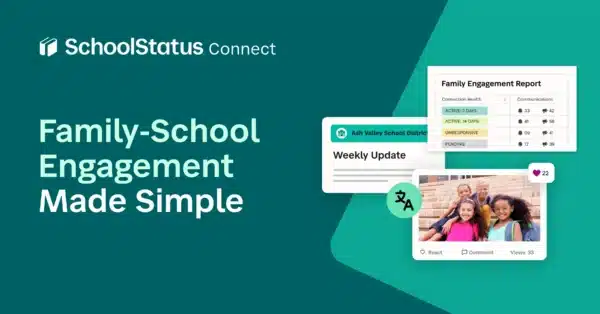
Get in touch with us to see how SchoolStatus Connect can help boost your family engagement!
 Dr. Kara Stern
Director, Education and Engagement
Dr. Kara Stern has seen school from just about every angle: high school English teacher, middle school principal, fellowship director for math and science teachers across New York City, and head of school at a rural N-12 school. That breadth is what she brings to her work at SchoolStatus, where she writes, speaks, and challenges educators to build the kinds of school communities where every student thrives. She holds a Master’s in Education Leadership from Teachers College and a Ph.D. in Teaching and Learning from NYU.
News, articles, and tips for meeting your district’s goals—delivered to your inbox.



Ready to learn more about our suite of solutions?