Cultivating Instructional Excellence with Coaching and SchoolStatus
read more


SchoolStatus Launches Literacy Solution to Help Districts Engage Families in Improving Reading Outcomes
Read More >
Key Attendance Trends from the 2025-26 School Year: Insights from 1.1M Students
Read More >At Mesa Verde Elementary, a collaborative coaching model powered by SchoolStatus is building a culture of teacher-driven growth, transparency, and lasting instructional impact.
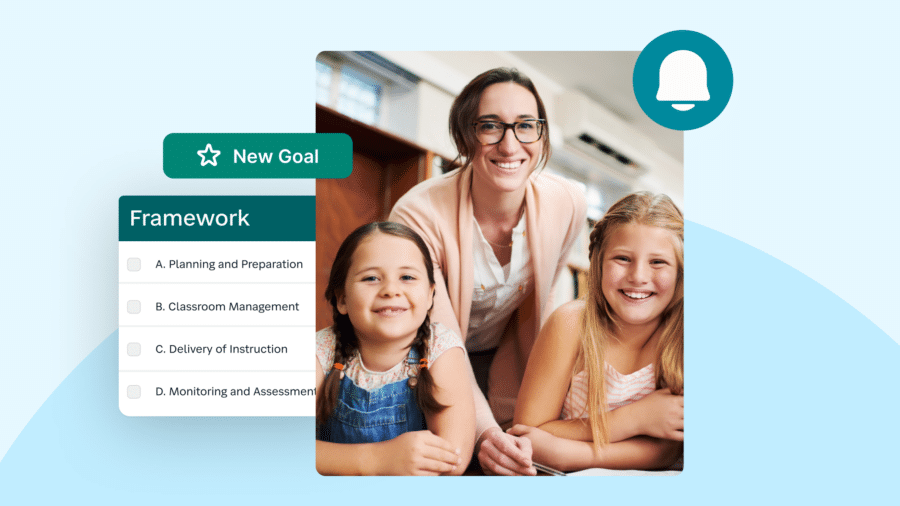
At Mesa Verde Elementary School, a collaborative spirit between administrators and instructional coaches is redefining what it means to support teachers. Principal Jessica Doyle and Assistant Principal Lynsay Reinhardt are frequently in classrooms. They’re conducting observations and setting the bar for quality instruction. Meanwhile, second-year Instructional Coach Anna Zepeda helps teachers reach that bar with deep coaching cycles that are teacher-led and inherently collaborative.
Together, they’ve created a strong culture shift where teachers are excited to attend PLCs, start new coaching cycles, and contribute to the schoolwide goal.
At the heart of the school’s coaching philosophy is the belief that instructional growth should be teacher-driven. “We started by making sure teachers understood that coaching wasn’t about fixing them,” said Principal Doyle. “It was about helping them grow in an area they wanted to develop.” To reinforce that message, the school administrators stepped out of the room during Ms. Zepeda’s introduction at the first staff meeting, letting teachers share their own experiences with the coach in a relaxed, authentic environment.
That trust was critical. Teachers were given autonomy to set personal instructional goals, aligned or distinct from schoolwide priorities, and collaborate with their coach, Ms. Zepeda, without administrator oversight during the cycle. “Coaching is not evaluative,” Anna explained. “The data belongs to the teacher. I’m there to support, not to assess.”
Still, administrators stayed looped in at a high level. SchoolStatus allowed Ms. Zepeda to download spreadsheets that detailed how many teachers were engaged in cycles, which Marzano strategies were in focus, and how many were working on schoolwide goals. This balance between transparency and autonomy allowed administrators to see high-level data without compromising the integrity of instructional coaching.
The use of SchoolStatus has amplified the effectiveness of coaching at Mesa Verde. For Ms. Zepeda, the tool integrates directly with her calendar and documents every coaching cycle: what strategy the teacher is working on, what stage they’re in, and what data is being collected. “Everything we do as instructional coaches is in SchoolStatus,” she said.
She can log meetings, upload student work, and document instructional strategies.
On the administrator side, SchoolStatus’s evaluation platform supports goal-setting, PLC observations, and walkthrough documentation. Teachers also have access to SchoolStatus, something the Mesa Verde team capitalized on. At staff meetings, teachers were given dedicated time to reflect on their professional growth goals using templates within SchoolStatus. As Principal Doyle noted,
This year, it felt like it wasn’t a compliance task. It was authentic. Teachers knew what they were working on and had time to work on it.
Jessica Doyle, Principal
That authenticity spilled into the PLCs. Administrators used SchoolStatus to document meetings, share next steps, and guide teams in applying instructional strategies. “They weren’t just meeting for the sake of meeting,” said Assistant Principal Reinhardt. “They were pushing student learning forward.”
The impact of school administrators and instructional coaches working together is best seen through the stories of teacher growth. One second-grade teacher, new to the profession and initially hesitant to engage with coaching, ended the year confidently using the Marzano compendium to guide instruction, implementing student-led strategies like turn-and-talks and creating visible learning targets. Her transformation was driven by her initiative and supported by consistent coaching from Ms. Zepeda.
Another new teacher, juggling 15 credit hours of coursework while managing her first classroom, found a lifeline in her instructional coach. Ms. Zepeda modeled lessons, co-taught, and provided real-time feedback. By year’s end, the teacher posted some of the highest student growth in the grade level, a testament to both her resilience and the strength of the coaching relationship.
Even in high-stakes situations, like when a teacher was placed on a growth plan, the coaching model held firm. Weekly check-ins, artifacts, and classroom observations provided targeted support that led to renewed confidence and improved classroom management. “She started to believe she could get better,” recalled Principal Doyle. “That shift in mindset changed everything.”
The whole team at Mesa Verde understands that systems matter, but culture sustains. Administrators model transparency, seek teacher feedback through surveys, and focus relentlessly on the positive. Monthly staff shoutouts celebrate growth, and schoolwide goals are chosen collaboratively by the leadership team.
We told teachers: You can focus on our schoolwide goal, or pick your own. Either way, you’ll have time and support to grow.
Jessica Doyle, Principal
Next year, the team is planning to deepen their walkthrough routines and conduct more frequent instructional “pulse checks.” By pairing their evaluative observations with the longer, relationship-based coaching cycles Ms. Zepeda leads, they’ll better identify where teachers are thriving and where they may need extra support.
Ms. Zepeda is also planning to launch “Anna’s Corner,” a short segment in staff meetings offering quick, actionable strategies teachers can use immediately—no extra work, just practical ideas rooted in their reality.

Ready to learn more about our suite of solutions?