


Messaging and Communication are Not the Same Thing
read more


New Book Gives District Leaders a Practical Framework for Improving Chronic Absenteeism—and a Comprehensive Look at State-Level Attendance Policies
Read More >
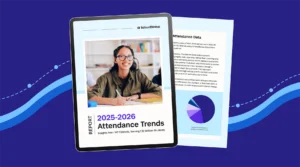
Key Attendance Trends from the 2025-26 School Year: Insights from 1.1M Students
Read More >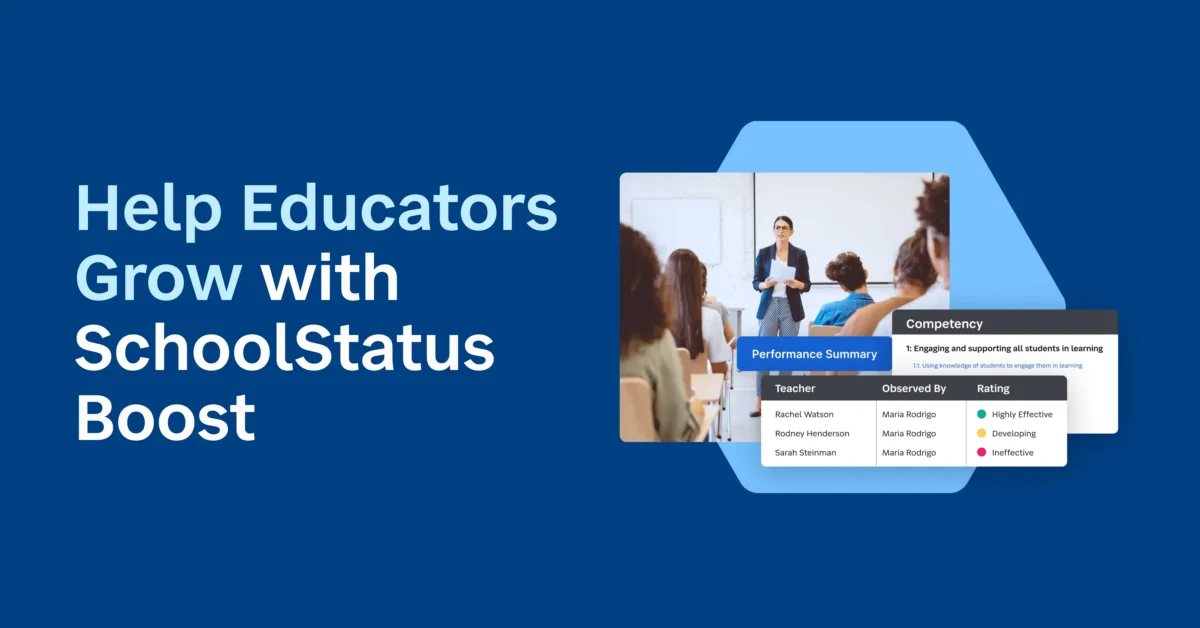

Creating engaging professional learning means providing educators with opportunities to participate, apply new ideas, see their progress, and feel recognized for their growth. Simple strategies—from interactive knowledge checks to peer recognition and visible progress— bring more energy to professional learning throughout the year. It’s about creating learning experiences that are interactive, relevant, and rewarding.
Educators give up planning periods, after-school hours, professional learning days, and even summer time for professional development. That time deserves to be well spent. But even well-designed PD can struggle to maintain educators’ attention when sessions rely too heavily on passive presentations or when learning feels disconnected from the work happening in classrooms.
One way to change that is to borrow a few principles from games and other engaging learning experiences: give people opportunities to participate, provide timely feedback, make progress visible, and recognize meaningful accomplishments. For K–12 leaders, the takeaway is about designing professional learning experiences that educators want to participate in and can see themselves progressing through.
Here are three ways to get started.
One of the easiest ways to add energy to professional development is to turn a traditional review into an interactive knowledge check.
Free tools such as Kahoot! and Wayground (formerly Quizizz) allow educators to answer questions from their phones while results appear in real time.
A five-question quiz at the end of a session can accomplish more than simply adding some energy. It can help facilitators quickly identify which concepts educators understood and which topics may need additional discussion or follow-up.
For example, after a session on formative assessment, a district might ask educators to:
The goal isn’t to determine who is the “best” educator in the room. Instead, use interactive activities as low-stakes opportunities to reinforce learning, check understanding, and encourage participation.
If you do include a leaderboard, keep it light. Team names or nicknames can make the activity feel more playful without putting individual educators on the spot.
A single interactive activity can make one PD session more engaging. But district leaders can go further by creating a culture where professional growth is noticed and celebrated throughout the year. This doesn’t require elaborate prizes or a complicated points system. In fact, recognition is often most effective when it feels authentic and connected to the work educators are already doing.
Choose a shared place where staff can see collective progress toward a professional learning goal. That could be a staff meeting slide, a shared digital space, or a physical display in a staff lounge. Focus on team progress as much as individual accomplishments. For example, a district might track participation in a professional learning series or celebrate schools that complete a districtwide instructional initiative.
Consider recognizing accomplishments such as:
These recognitions don’t need to be elaborate. A handwritten note from a principal, a staff meeting shout-out, or an opportunity to share a successful practice with colleagues can be just as meaningful as a physical reward.
Not every educator is motivated by competition—and professional learning shouldn’t become a popularity contest.
Offer multiple ways for educators to engage and be recognized. Some may enjoy friendly challenges, while others may prefer setting individual goals, collaborating with colleagues, or sharing what they’ve learned.
The objective is to create momentum around learning, not pressure educators to compete.
The most meaningful professional development celebrations aren’t based simply on participation. They’re connected to what educators are learning, trying, and improving.
That requires district leaders to have visibility into professional growth across schools while protecting the trust and confidentiality educators need.
SchoolStatus Boost can help districts create that connection.
With SchoolStatus Boost: Inspire, educators can set professional goals and receive timely feedback following walkthroughs and observations. Feedback includes actionable next steps and resources that can help educators continue developing their practice. District leaders can identify strengths and areas for growth across schools, helping them plan professional learning around the needs educators are actually demonstrating.
SchoolStatus Boost: Coach supports instructional coaching by helping coaches manage coaching relationships and connect coaching cycles to district priorities. Coaching conversations remain confidential between the coach and educator, while district leaders can gain visibility into program-level progress and how coaching supports broader district goals.
That visibility can make professional learning more purposeful.
Instead of celebrating an arbitrary number of completed activities, leaders can recognize meaningful milestones: a school completing a planned coaching cycle, an educator reaching a professional goal, or a team successfully implementing a new instructional practice.
The distinction matters. Recognition is most powerful when it reflects work that educators value and growth they can see.
And when district leaders can connect professional learning, coaching, observation, and educator goals, recognition becomes more than a morale boost. It becomes part of a broader strategy for supporting educator development.
See how SchoolStatus Boost helps districts support, measure, and celebrate educator growth.
SchoolStatus has no affiliation with Kahoot! or Wayground. They are mentioned as examples of tools that educators may use to create interactive learning experiences.
 SchoolStatusSchoolStatus connects educators and families around the topics that matter most. The company partners with K–12 districts to improve attendance, engage families, and build trust so students can succeed. A recognized leader in data-driven attendance and family engagement solutions, SchoolStatus enables districts and educators to engage families with relevant, timely communications and proactive support on important topics including absenteeism, literacy progress, and overall student readiness. Today, SchoolStatus supports districts in all 50 states and serves more than 22 million students nationwide as a trusted partner in driving better student outcomes.
News, articles, and tips for meeting your district’s goals—delivered to your inbox.











Ready to learn more about our suite of solutions?