


Featured Resource
New Book Gives District Leaders a Practical Framework for Improving Chronic Absenteeism—and a Comprehensive Look at State-Level Attendance Policies
Read More >

New Book Gives District Leaders a Practical Framework for Improving Chronic Absenteeism—and a Comprehensive Look at State-Level Attendance Policies
Read More >

Key Attendance Trends from the 2025-26 School Year: Insights from 1.1M Students
Read More >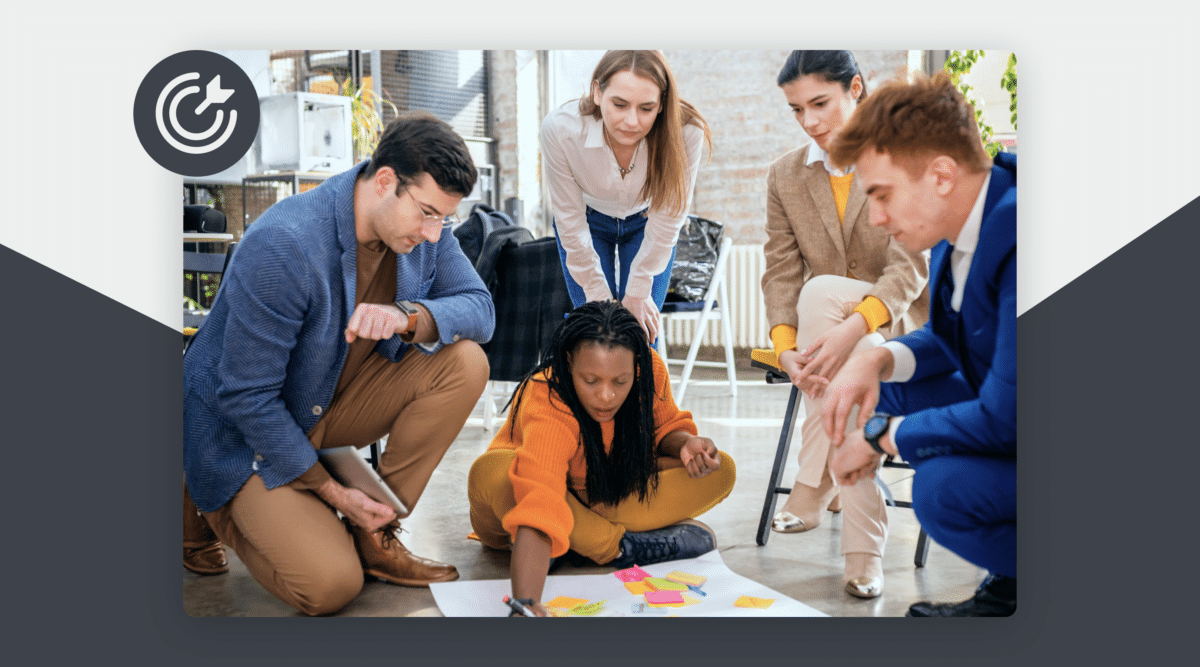

Steve Ventura, president and lead consultant at Advanced Collaborative Solutions, speaks to the advantage of using achievement teams to move the needle for disciplined collaboration among teachers and leaders.
Have you ever been part of a PLC or teacher team that didn’t work? You likely spent countless hours wondering what the purpose was as you listened to colleagues talk about needless tasks that could’ve been handled via email.
Educators really can’t afford to waste precious collaborative time. If they’re going to take the time away from instruction and learning, and away from their already busy workloads, they must use it to impact teaching practice and student outcomes.
For collaboration to be successful, the group needs to have common goals, beliefs, and expectations. A critical factor in that success is the belief that what the group is doing can make a difference, that the work they’re doing collaboratively is worth the time and effort. This belief is known as collective efficacy. The team’s organization, how they work together, and the strategies they choose to achieve academic goals contribute significantly to efficacious behavior.
PLCs and teacher teams are excellent models of collaboration, but they need a system and process within the meeting structure to drive change. That’s where achievement teams come in.
Achievement Teams are the key part of a collaborative model for implementing data-driven decision-making at the instructional level. They follow a three-part framework of evidence, inference, and impact, that provides a structure for teachers to identify areas of student need and collaboratively decide on the best instructional approach in response to those needs.
The teams are categorized by grade level (horizontal) or content (vertical) and incorporate a universal and common learning goal. They can also be organized as specialist teams, like elective teachers or other teachers who share common students.
This structure allows schools and school systems to break down the silos of individual practice and create teams of educators who continuously reflect on and improve their practice.
The Achievement Teams Framework involves a four-step meeting protocol with a continuous cycle. It’s highly structured, providing space for teachers to accurately reflect on teaching between pre- and post-assessments, while simultaneously identifying areas of student need. Teachers then collaboratively decide on the best corrective instructional approach in response to those needs.
In other words, it’s not about what the students failed to learn, but instead, what the teaching wasn’t able to accomplish. Here are the steps:
When schools and school systems de-emphasize individual practice and promote collective ability, it’s possible to create professional teams of educators who continuously reflect on and improve their practice.
When the four-step protocol is embedded in school practice, teams will have a greater impact on student achievement, incorporate more inclusive methods of instruction, and expand teaching and learning.
The philosophy behind using collaboration as a form of improving teaching and leadership is simple: teachers can have a greater influence on student achievement when they combine their collective efforts. This is especially true for busy teachers who work hard and are doing the best they can within their range of knowledge.
Teachers typically work in isolation, and this means they may have limited access to new research, materials, and professional growth opportunities. Providing teachers with time and space to work together creates new opportunities to learn with one another and promotes the sharing of master and vicarious experiences ensuring continuous improvement.
Steve Ventura is the president and lead consultant at Advanced Collaborative Solutions. He is a highly motivational and knowledgeable speaker who approaches high-stakes professional development armed with practical, research-based strategies.
Steve is a former elementary and secondary teacher as well as both a school and district-level administrator. Steve has published multiple books and articles, and regularly presents and keynotes at major global education events.
 Steve VenturaSteve Ventura, president and lead consultant at Advanced Collaborative Solutions, brings motivation and expertise to high-stakes professional development. With a background in teaching and administration, he shares practical, research-based strategies. Steve's publications, presentations, and keynotes at global education events highlight his commitment to transformative learning.
News, articles, and tips for meeting your district’s goals—delivered to your inbox.






Ready to learn more about our suite of solutions?


